
Where Dalhousie Sits in the Hills
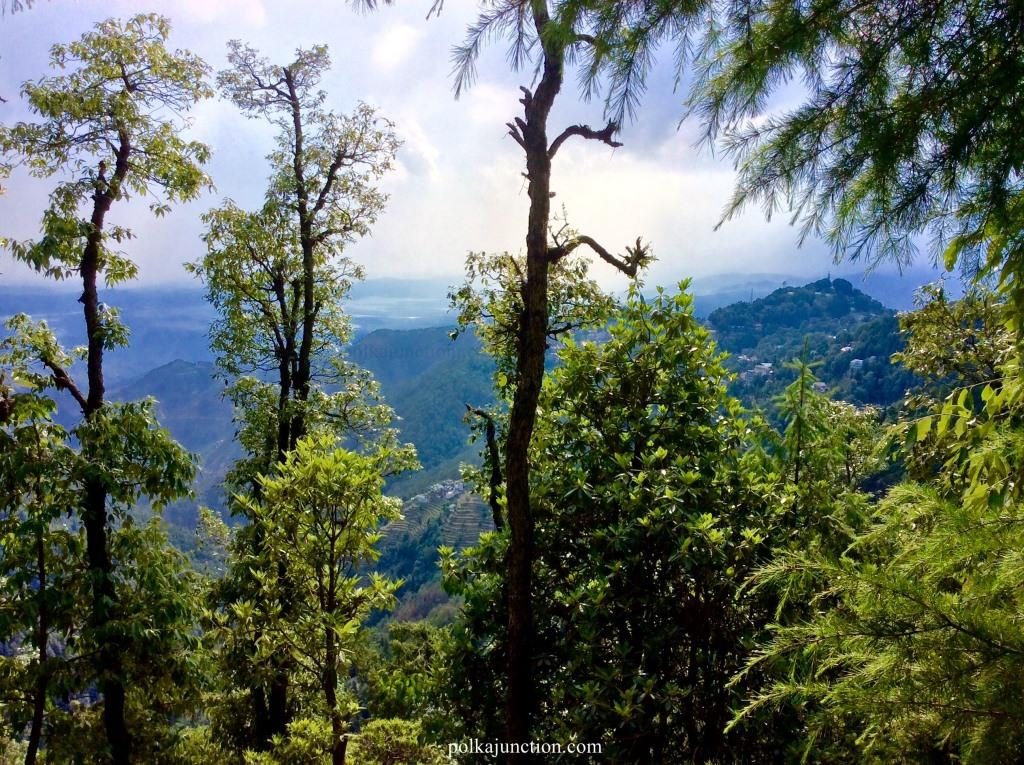
Dalhousie rests on a cluster of wooded hills in the Chamba district of northern India’s Himachal Pradesh state. It does not reveal itself all at once. The town opens up slowly—through bends in the road, shaded forest paths, and moments when the hills part just enough to let you see far into the distance.
There is no single ridge that defines Dalhousie. Instead, it is spread across several hills, precisely five — each with its own rhythm. This scattered geography makes you move differently here. You do not arrive and look. Instead, you walk, pause, and gradually find your bearings.
Why Dalhousie Came Into Being
Dalhousie was established in the mid-19th century as a colonial hill station, meant largely as a place for the military to recover from the heat and illness of the plains. Its forests, cool air, and distance from crowded centres made it suitable for rest rather than display.
That original purpose still lingers along with the colonial remnants.
For, Dalhousie feels lived-in rather than staged. Life here follows the slope of the land and the turn of the seasons, not a checklist of sights.
How Dalhousie Is Different
Dalhousie is often mentioned alongside places like Shimla or Mussoorie, but it carries a different mood. There is no single promenade where everyone gathers, no one viewpoint that claims attention. Very unlike the other touristy hillstations of India.
Instead, Dalhousie is made up of smaller experiences—walks across quiet hills, paths that slip into forests, neighbourhoods that still feel like places people live in, not just pass through. It is a town that does not rush you nor wants you to rush.
Why Walking Matters in Dalhousie
Dalhousie makes the most sense when you slow down. Beyond its colonial buildings and familiar lookouts, the town reveals itself through everyday movement—walking to the next hill, taking a forest path instead of the road, strolling along the mall road.
Dalhousie in Summer and Winter
Winter alters Dalhousie in subtle ways. Streets quieten, familiar paths disappear under fresh snow, and the town settles into a slower rhythm where silence becomes as much a presence as the landscape itself.
However, in warmer months, long walks through deodar forests and along open ridges become part of daily life. Walking here is not an extra activity. It is how the town is experienced and understood.

Dalhousie — Layers of History and Place
Dalhousie’s present-day rhythms are inseparable from its layered past. Traces of colonial planning, architecture, and memory continue to shape how the town looks and feels, even as everyday life has quietly reworked these spaces over time.
Beyond the Town
Beyond Dalhousie’s central ridge, the landscape opens into forests, quieter hills, and hamlets that rarely announce themselves. These edges often reveal as much about the region as the town itself.
How to Read These Dalhousie Stories
Dalhousie rewards unhurried attention. Therefore, these pieces on Dalhousie are not meant to function as guides, as the stories here have not surfaced through checklists. Rather, they are observations gathered over time—of living, walking, returning, and noticing what changes and what does not.
Together, they trace a lived geography of Dalhousie and its surrounding hills in Himachal Pradesh.
Continue Walking Through Dalhousie
If you would like to understand Dalhousie by spending time with its hills, paths, and seasons, these pieces offer natural starting points:
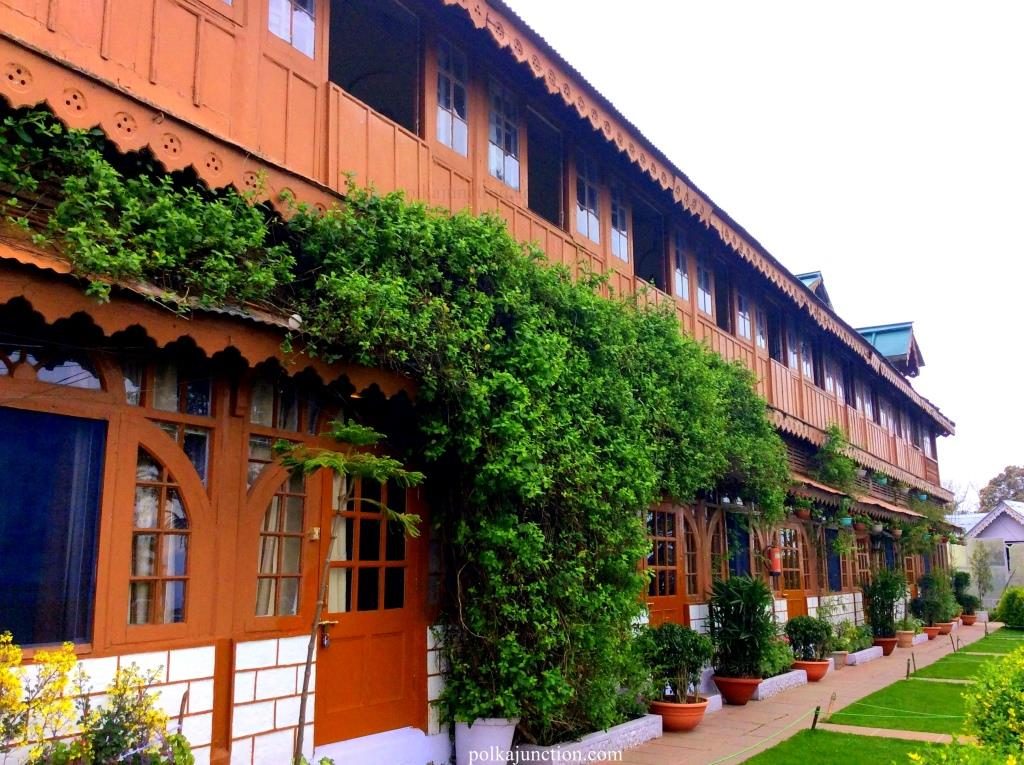
Colonial Dalhousie: churches, homes, and everyday remnants
A look at how colonial-era buildings still shape the town—not as monuments, but as part of daily life across its hills.
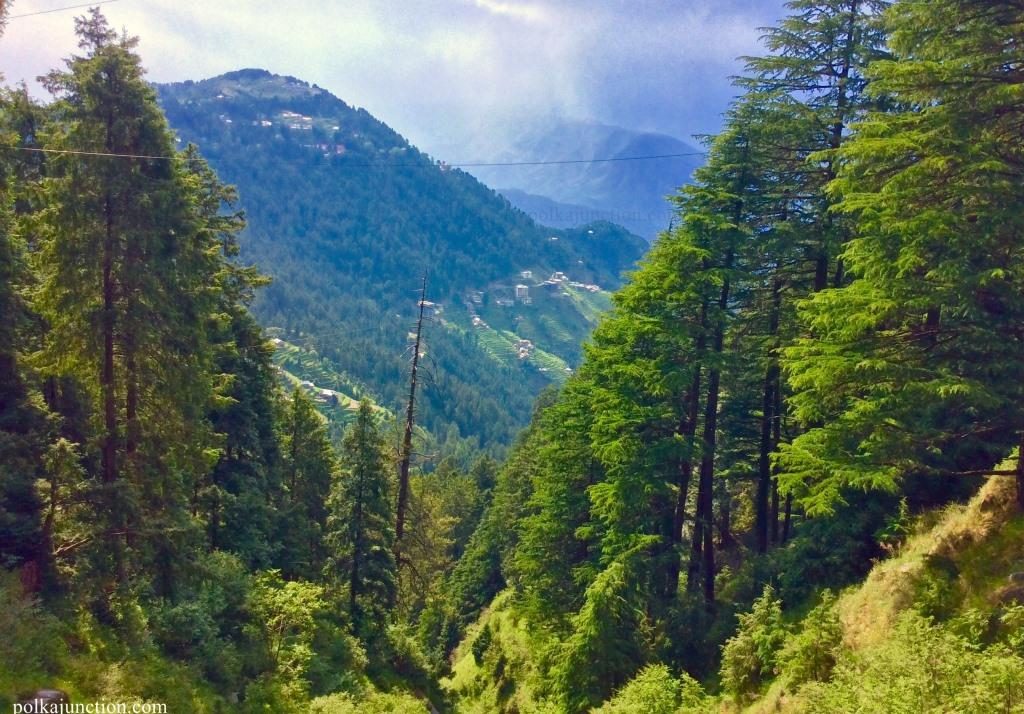
Bakrota Hills
A serene stretch of hills where forest trails, India’s freedom stories, and everyday life intersect. Walking here reveals a side of Dalhousie that rarely makes it into guidebooks.
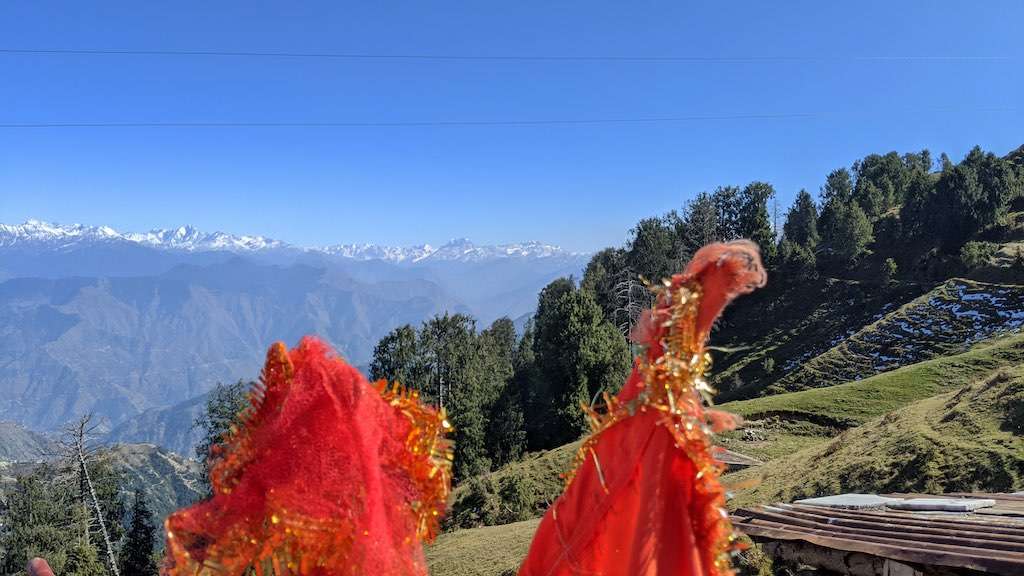
Paoloni Mata Temple trek
A gentle trek shaped by belief and landscape, leading through open meadows and ridgelines toward Dainkund. Less about reaching a destination, more about the journey itself.
Dainkund Peak — the Singing Hills
Known for the sound the wind carries across its open slopes, Dainkund offers wide views and an unhurried walk above Dalhousie.
Dalhousie snowfall
When winter arrives, these hills slow down. Snow alters frequent paths, softens sound, and changes how Dalhousie is lived and walked.
Folklore of Dalhousie
The mountains of Dalhousie carry belief, lore and stories, which have shaped the everyday sensibilities of the communities around.
These stories are not meant to be followed in order. Like Dalhousie itself, they can be entered from anywhere.
*Dalhousie is part of a larger body of travel writing from Himachal Pradesh*