
From Taipei to the coast and mountains, this write-up traces my first journey through northern Taiwan — a trip shaped by deliberate sojourns, by ancient rituals followed and absorbed into everyday life of the Taiwanese people, and by traditions that are rooted and run deep.
First impressions at arrival
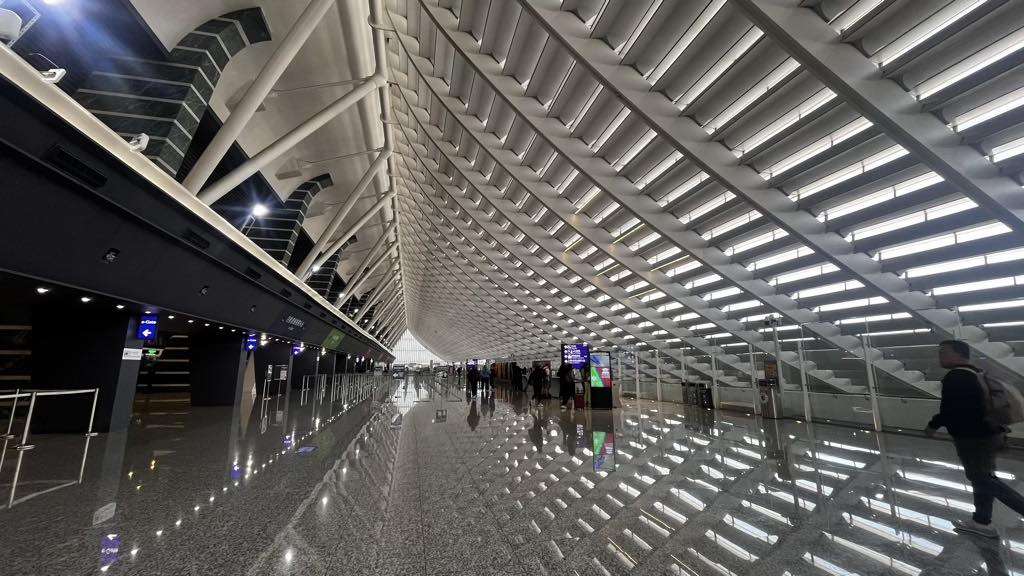
My first lesson in Taiwan arrived before I had even cleared immigration. At the form-filling counter, a pair of reading glasses was tied in place, waiting for anyone who needed them. It was a small, practical gesture, but one that quietly set the tone for the trip, and an early indication of the consideration extended to visitors at first encounter.
The next was at a food counter inside the airport premises, where I mentioned that I am a vegetarian, and that it would be helpful and awesome if they could use gloves while shuffling between handling meat for my friends and veggies for me. They immediately obliged with an apology and confessed that they never thought about this correct way of handling, and respecting people’s eating sensibilities. With just these two gestures, the Taiwanese won over me.
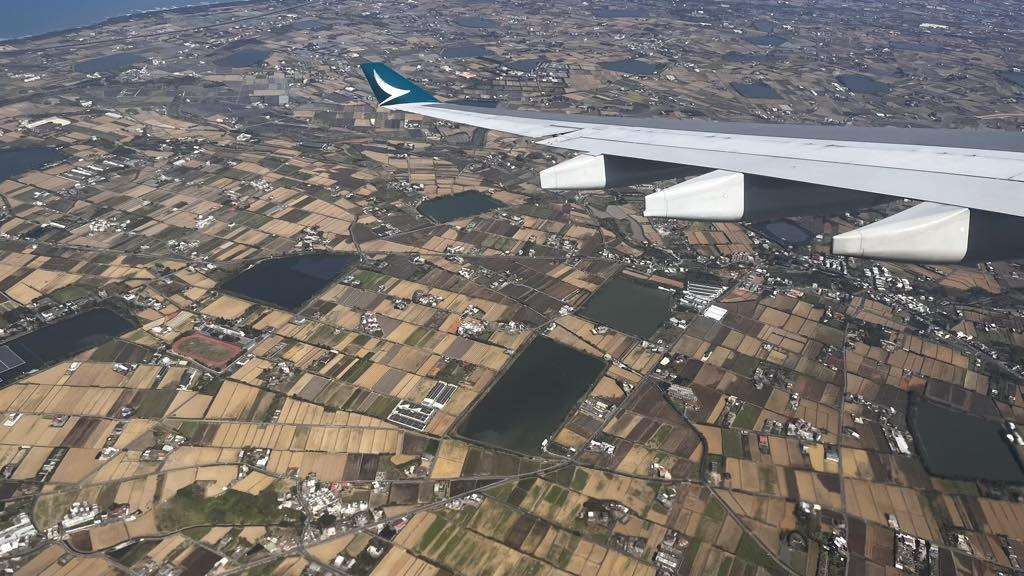
Touchdown in Taiwan, and the journey begins…
Learning the pace of everyday Taipei
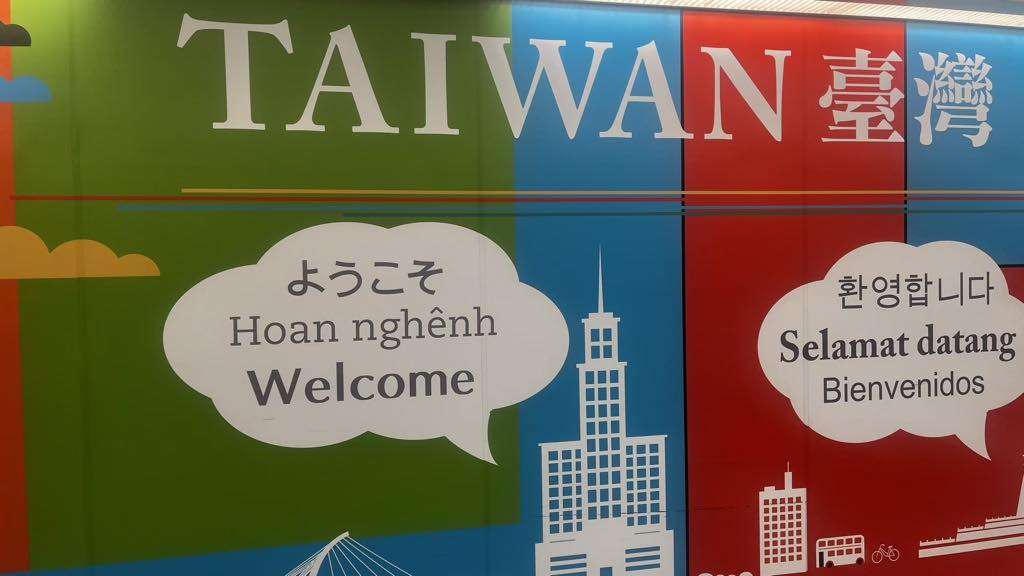
It was my first time in Taiwan, and also my first time in the Far East. As I began to move around Taipei and its surroundings, those initial moments at the airport felt increasingly less incidental.
On this sweet-potato-shaped island, cradled between the Pacific Ocean and the South China Sea, queues moved with patience, public spaces were treated with care, privacy was respected, and courtesy revealed itself not as a charade but habit — a marked contrast to our transit experience at Hong Kong airport, which had felt far less accommodating.
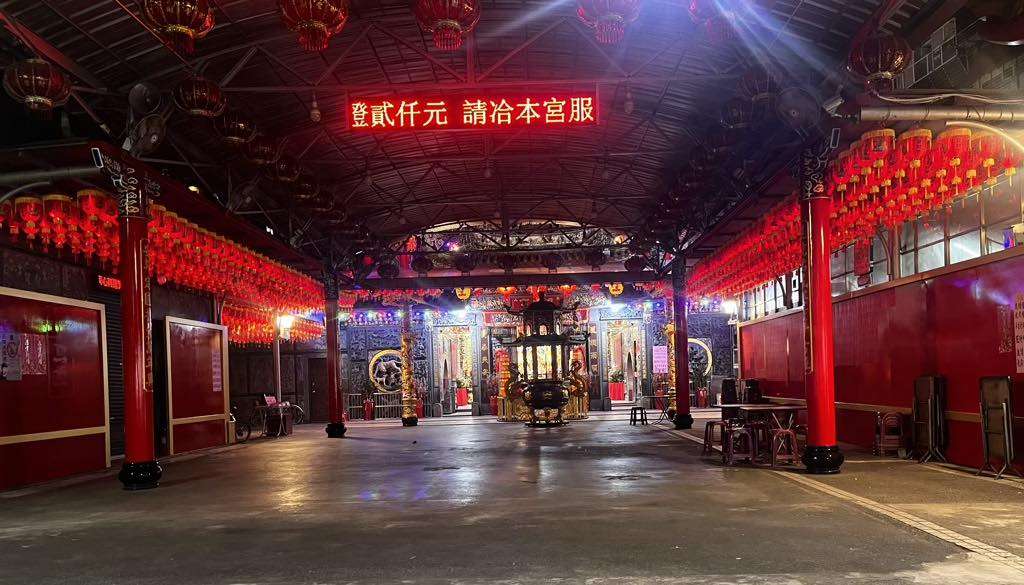
Formed by centuries of movement, influence, and exchange, the story of Taiwan — officially the Republic of China — is one of layered histories. Neon-lit night markets flashing Japanese and Korean trends coexist with incense-shrouded Taoist temples steeped in devotional whispers. Tea houses brew centuries of tradition through meditative rituals, while communal hot pots simmer with shared Chinese heritage.
Dihua Street: an unhurried introduction to Taiwan
Our all-girls group trip began in Taoyuan, Taiwan’s fourth-largest city, where we landed from Hong Kong.
From there, a smooth but long drive took us to Taiwan’s capital, Taipei, and then straight to Dihua Street—one of the oldest trading quarters of the city.
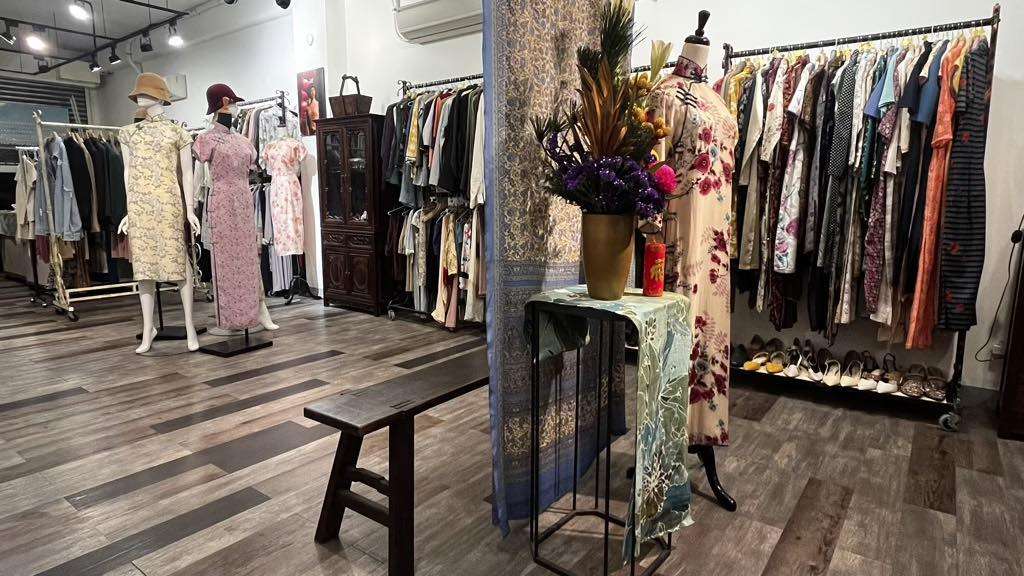
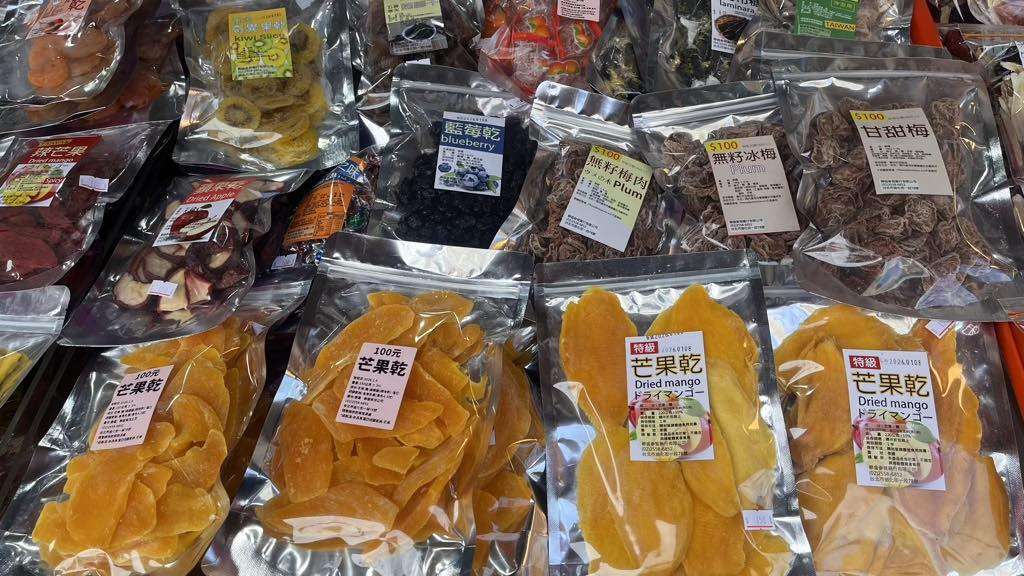
Built in the 1850s, its red-brick Japanese-era storefronts house food joints serving noodles and Taiwanese delicacies, departmental stores, upscale boutiques and salons, apothecaries, bookshops, and old tea houses tucked beside stylish cafés. There were also shops that sold groundnuts, candied fruit peels in hoards, and herbal medicines.
Cheongsams and period costumes hung waiting to be stepped into, not just tried on. They even do the hair and makeup, easing visitors into character with practiced ease. And, the outfits are available to buy too, a small indulgence that lets Dihua Street travel home with you.
By the way, Dihua Street has a way of opening doors slowly, and I will be back with more in a later post ;))
This was old-world Taiwan, charming quietly behind the capital’s futuristic sheen. It turned out to be the perfect start: unexpected, vibrant, and full of local flair.
Taipei, best lived in rather than rushed
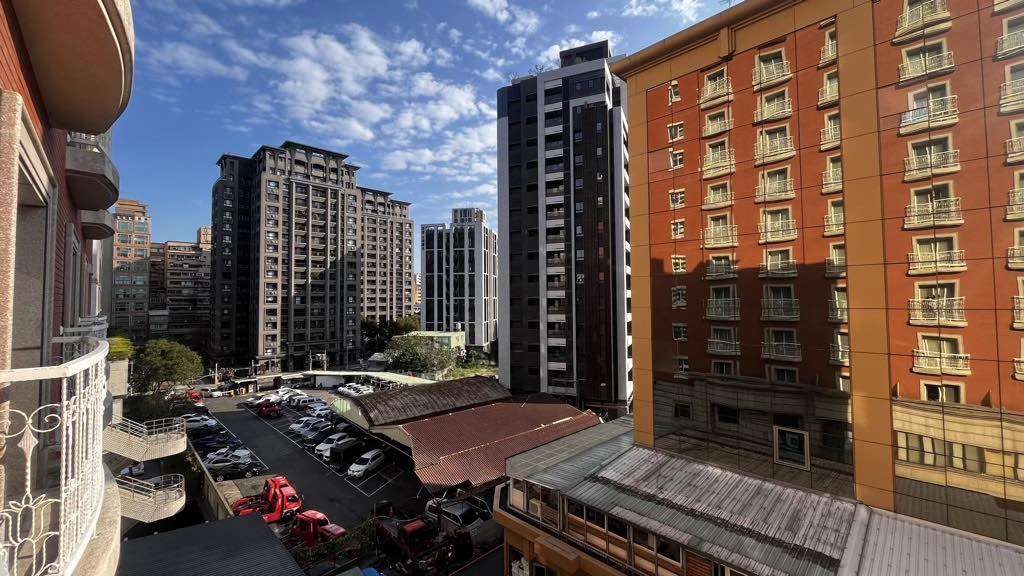
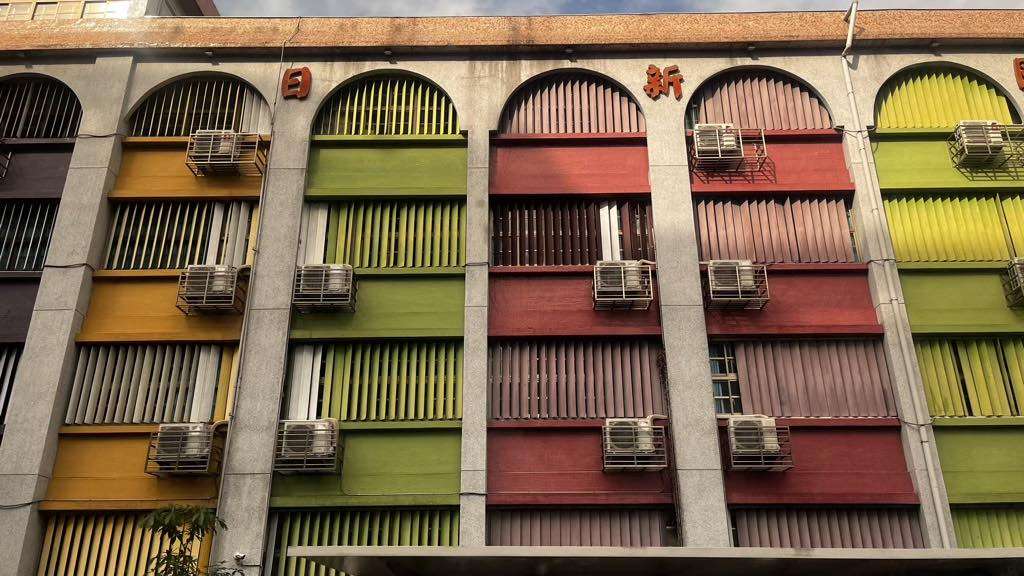
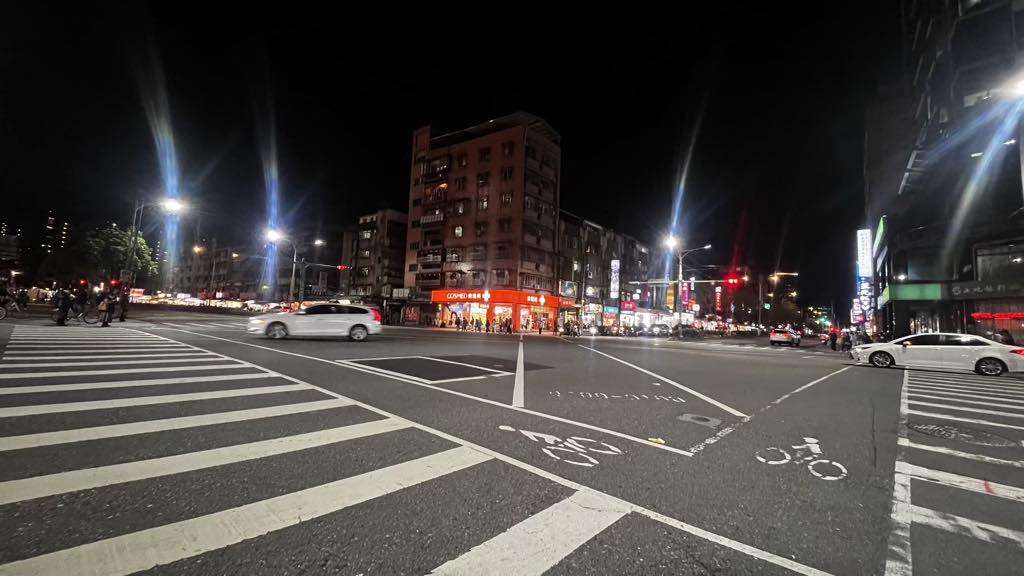
Taipei is a buzzing capital of sleek bridges and high-speed rail, with the occasional traffic snarl on its smooth-as-butter roads. Yet beyond the urban rush, what stood out was its reverence for the past—a seamless blend of heritage and modern architecture.
Even our hotel, Hampton Court Palace, was an architectural anomaly: Victorian and Baroque on the outside, but unmistakably Taiwanese on the inside, with robot-delivered midnight snacks and ready-to-eat kimchi. Warm, efficient, and just the right amount of quirky.
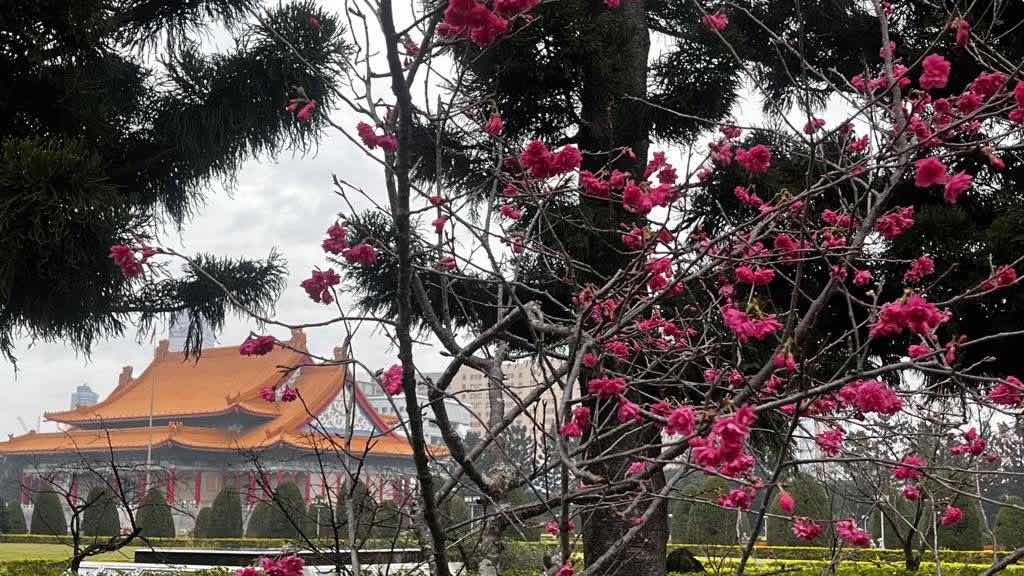
Cherry blossoms at the Chiang Kai-shek Memorial, Taipei
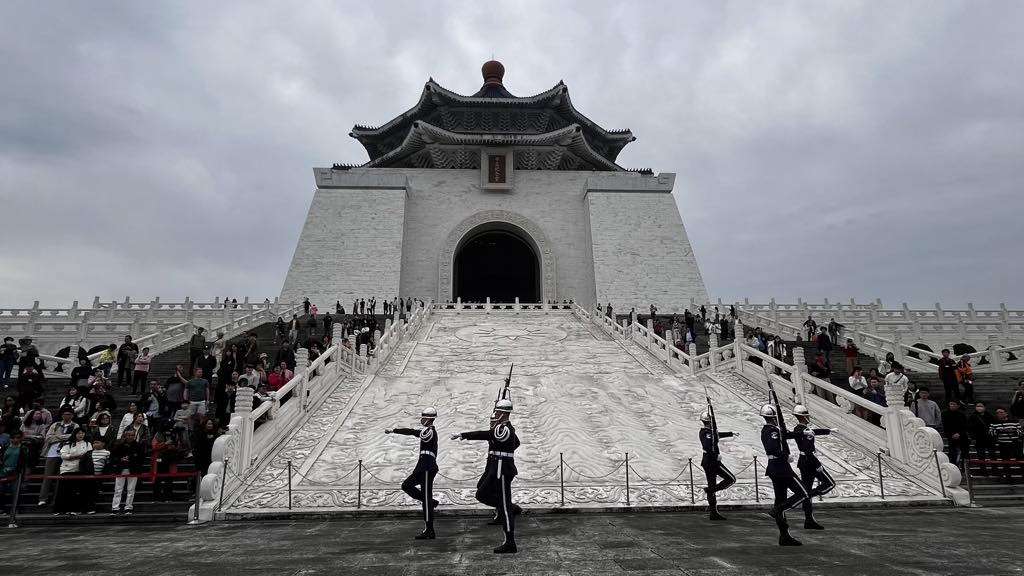
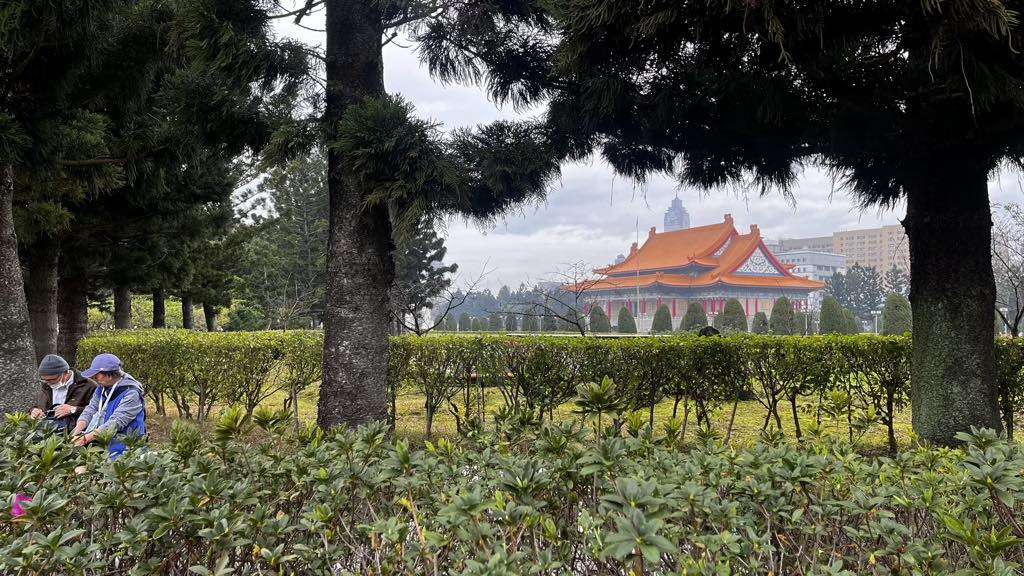
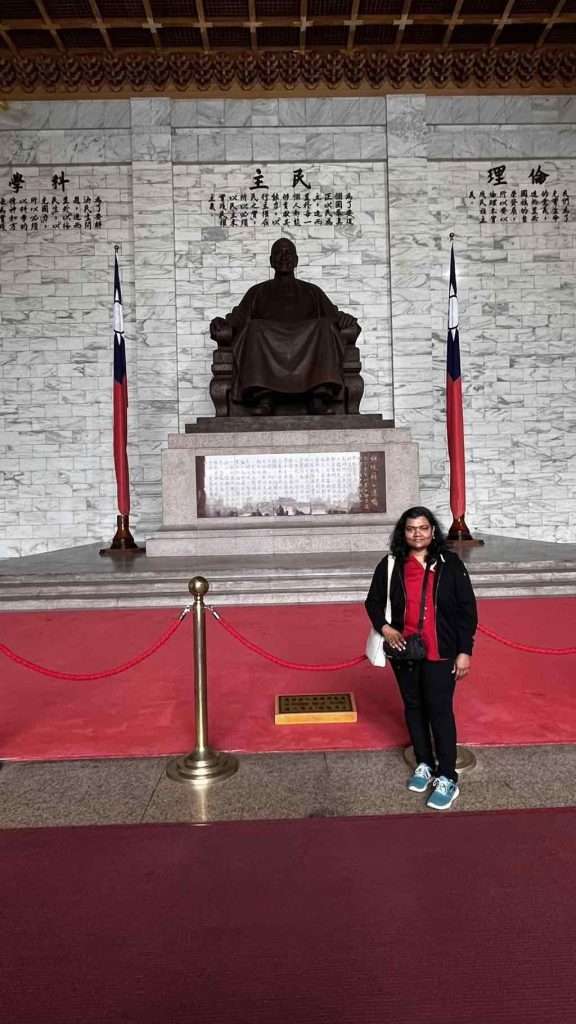
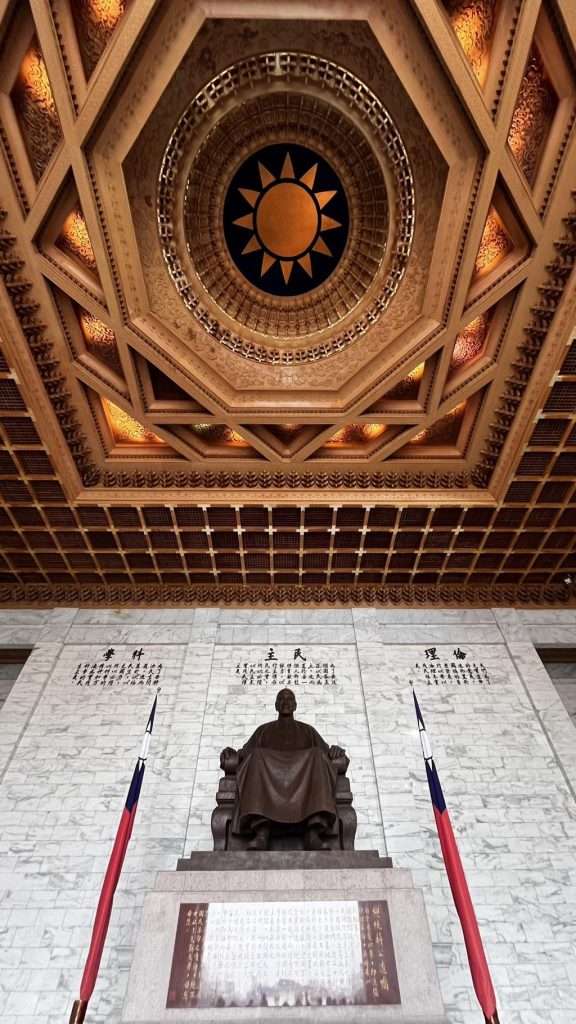
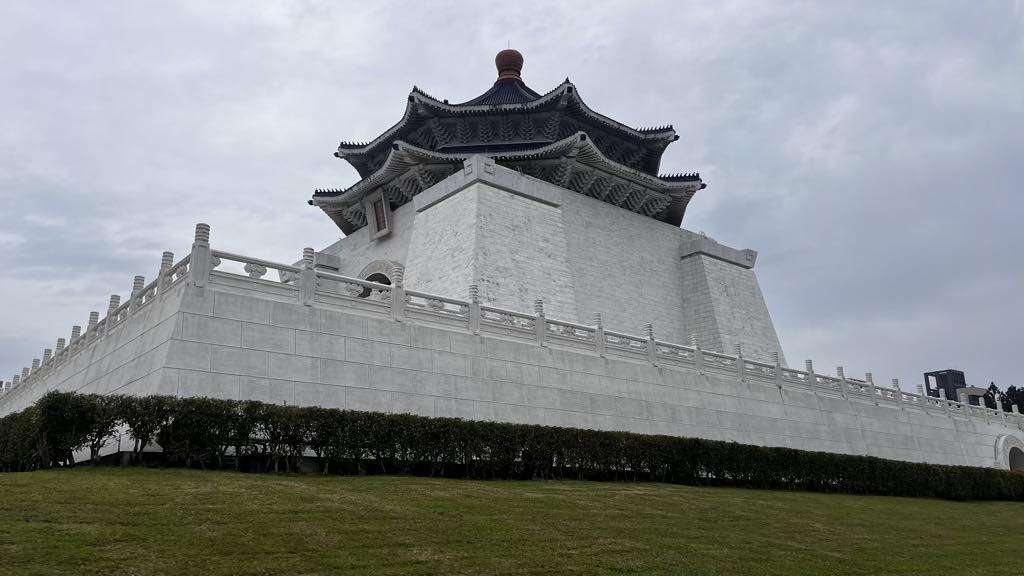
The next morning, after a quick hotel breakfast, we headed to the iconic Chiang Kai-Shek Memorial in central Taipei to catch the Guard of Honour and see the towering statue of Taiwan’s longest-serving president.
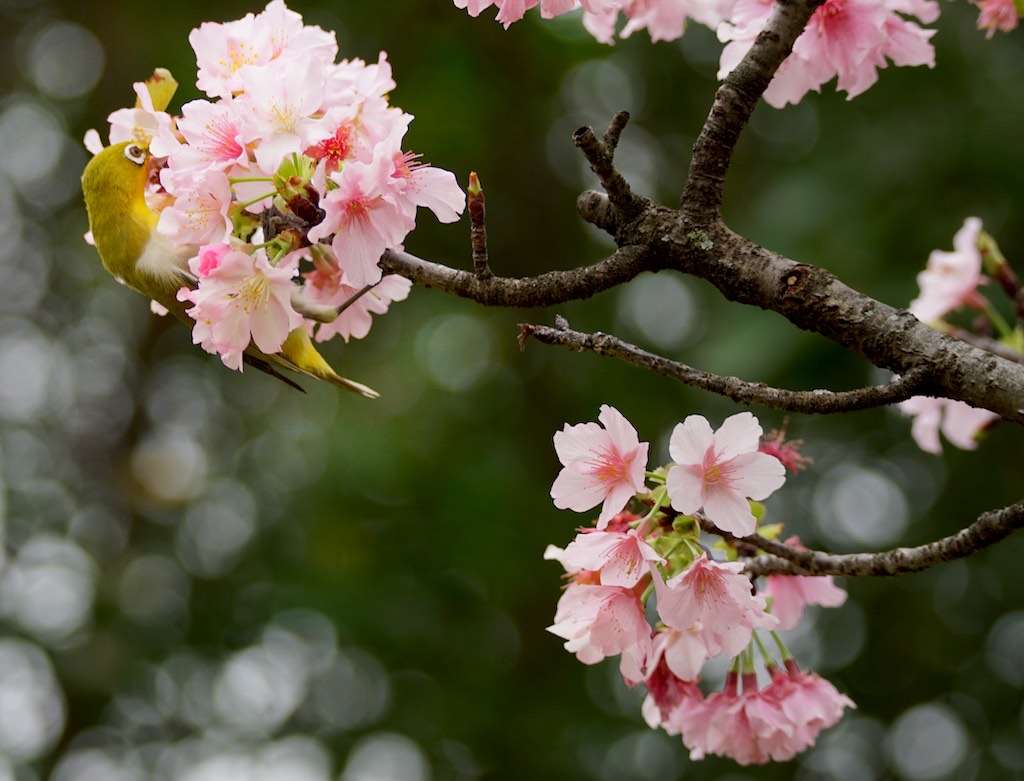
With its blue octagonal roof, grand white façade, and 89-step stairway, the memorial is a striking tribute to traditional Chinese architecture. Flanked by the National Concert Hall and National Theater, it stood in quiet grandeur—especially with cherry blossoms in full bloom, turning our visit into a long, impromptu photoshoot.
Entry was free, but the satisfaction of nailing those photographs — a warbling white-eye caught mid-peck at a sakura blossom, felt quietly priceless.
Letting the road shape the journey
It was against this settled, unhurried backdrop that a slow road trip through northern Taiwan took shape.
Leaving Taipei by car, the city loosened its hold gradually, replaced by misty mountain roads, coastal highways, and small towns where attentiveness seemed embedded in everyday life. Travelling slowly made these details harder to miss — the careful use of shared spaces, the ease of coexistence, the unspoken consideration extended to strangers. For a first-time visitor, this was an introduction to Taiwan shaped as much by empathy as by landscape.
Why northern Taiwan lends itself to slow travel
Northern Taiwan lends itself easily to slow travel. Distances are short, roads are well-maintained, and driving allows access to smaller towns and coastal stretches that public transport often skips. For first-time visitors, basing yourself in Taipei and taking short road trips, rather than rushing between cities — offers both flexibility and depth.
From monuments to the open road
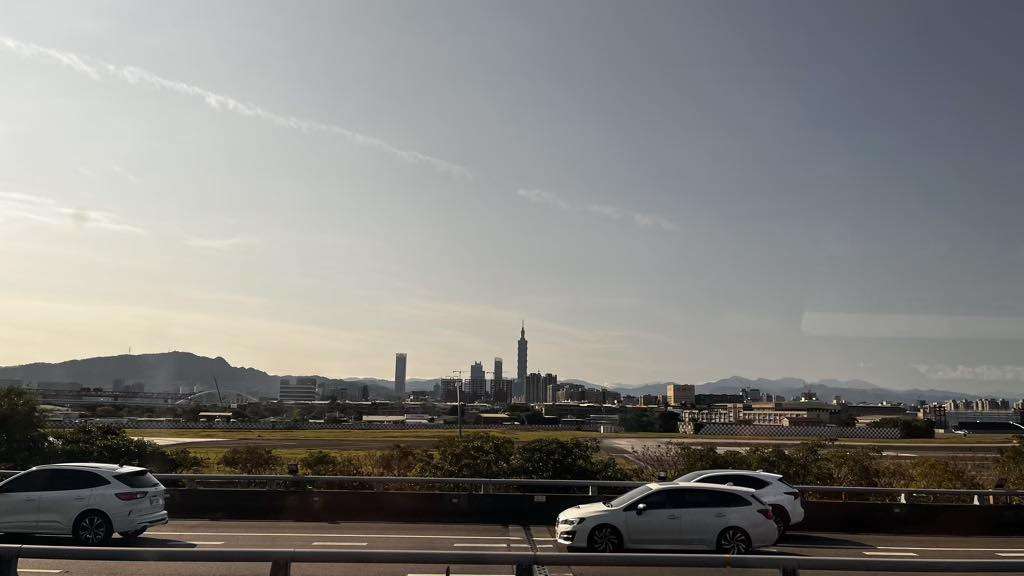
After the Chiang Kai-Shek Memorial visit, and the photoshoot with Cherry Blossoms in central Taipei, we were back on the road again, passing the port city of Keelung and entering the Guanyinshan National Scenic Area via the sleek National Highway No. 3, approaching from the country’s anticlockwise direction.
Once home to the indigenous Austronesian Ketagalan tribes, Keelung was colonized by the Dutch and Spanish in the 16th century and remained a sleepy fishing town under Qing rule until the 19th century.
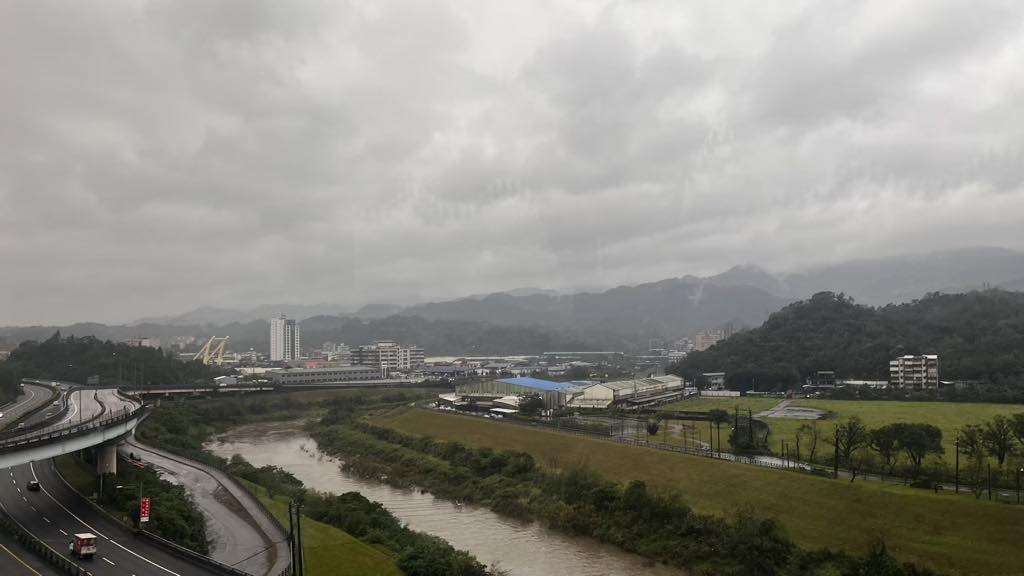
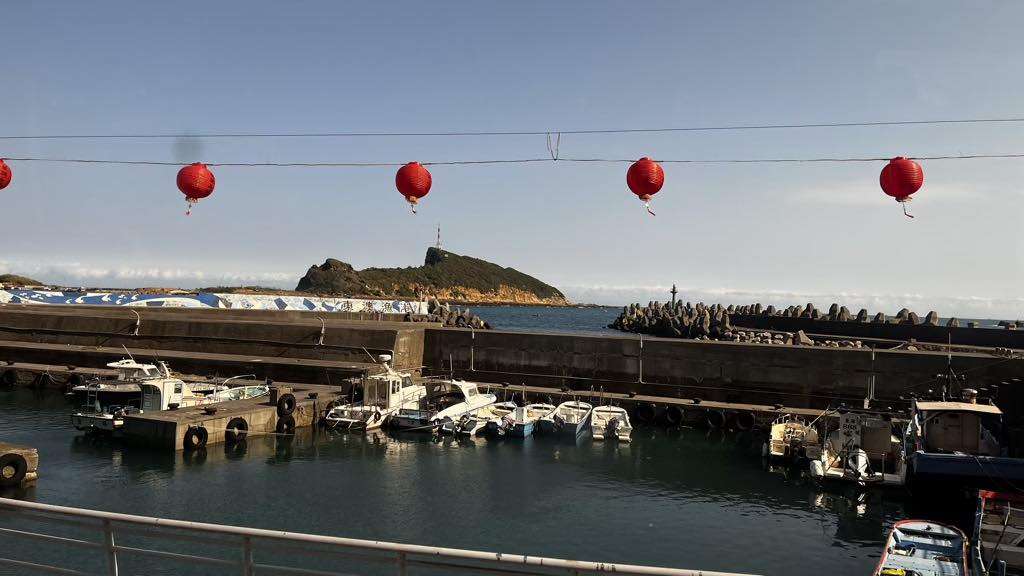
As we crossed into Wanli district, it felt like driving through a quiet countryside sketch—petite bus stops, sleepy villages, and mist-covered hills.
Yehliu, Tamsui, and the rhythm of the coast
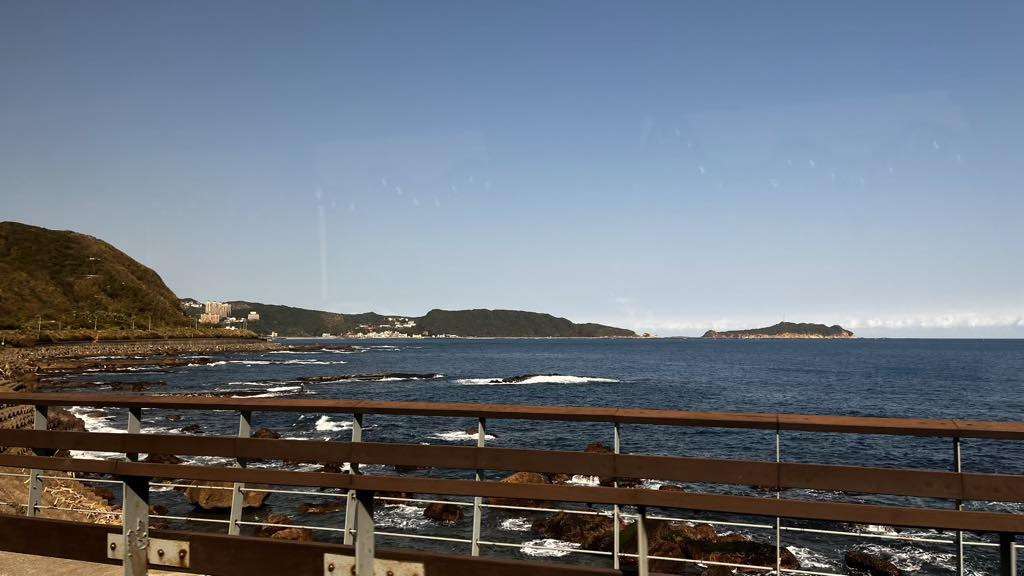
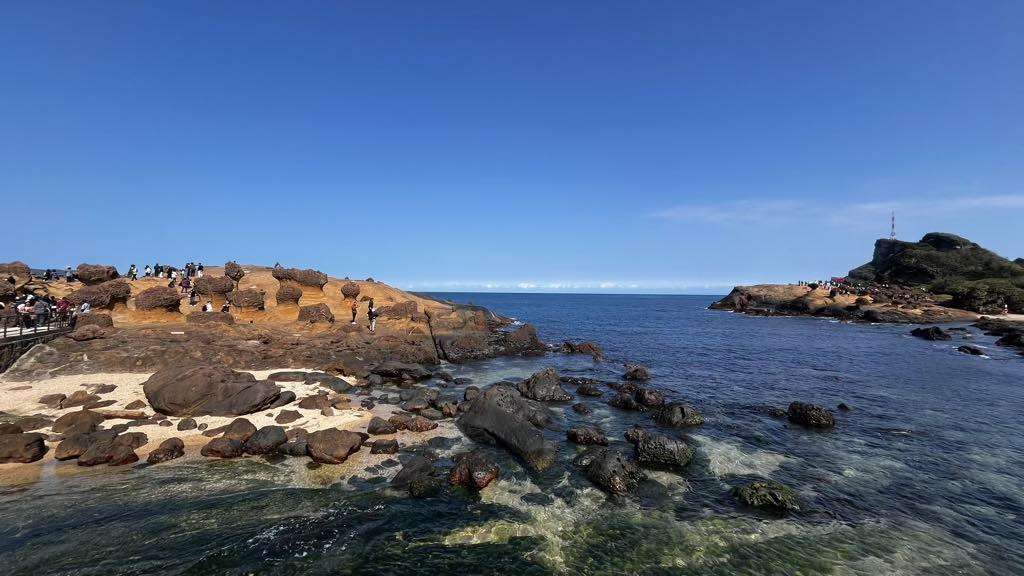
Nearing the coast, the landscape shifted: wind-sculpted cliffs dotted with hamlets, wave-carved rocks, and gentle green slopes behind us. It was wild and raw, yet utterly calming. And, this calm lasted until a mini traffic jam of tourist vehicles queued up to enter Yehliu Geopark.
Yehliu Geopark: wind, rock, and the pull of the sea
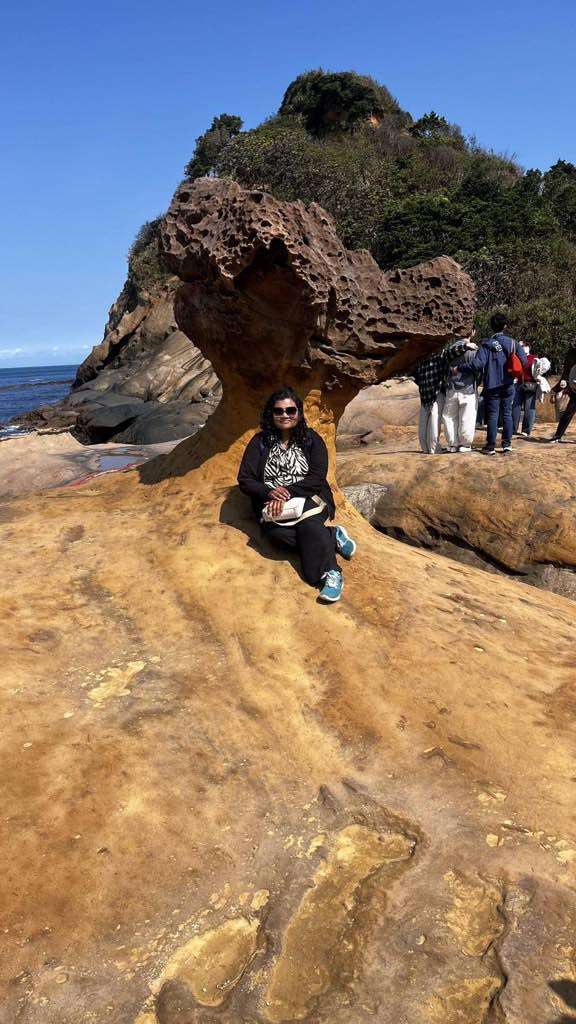
Formed over 4,000 years by wind and sea erosion, its mushroom-like hoodoo rocks come with equally fascinating names and local legends—Fairy Sandals, the Leopard, Bird’s Beak, and more.
Yehliu is also one of Taiwan’s most fragile landscapes. I reported in detail on the erosion and tourism pressure facing the geological park for The Federal.
For those short on time, guided day trips to Yehliu Geopark are also an option. We spent over two hours wandering through these surreal formations, snapping selfies before heading to the plaza at the exit for souvenir shopping. Keychains, scarves, magnets, and a few other knick-knacks found their way into our bags.
Driving Taiwan’s northern coast
We continued along the coast past Baishawan Beach towards Tamsui, stopping for lunch at MIK-9. What was meant to be a quick bite turned into a full-blown feast of fiery chili paneer, buttery naan, creamy dal makhani, and umami-loaded noodles, overlooking the South China Sea.
It was a satisfying mash-up of Indian and Chinese flavors, followed by a scenic drive along the coast, its villages and well-laid cyclic tracks.
Tamsui: sunsets, old streets, and waterfront pauses
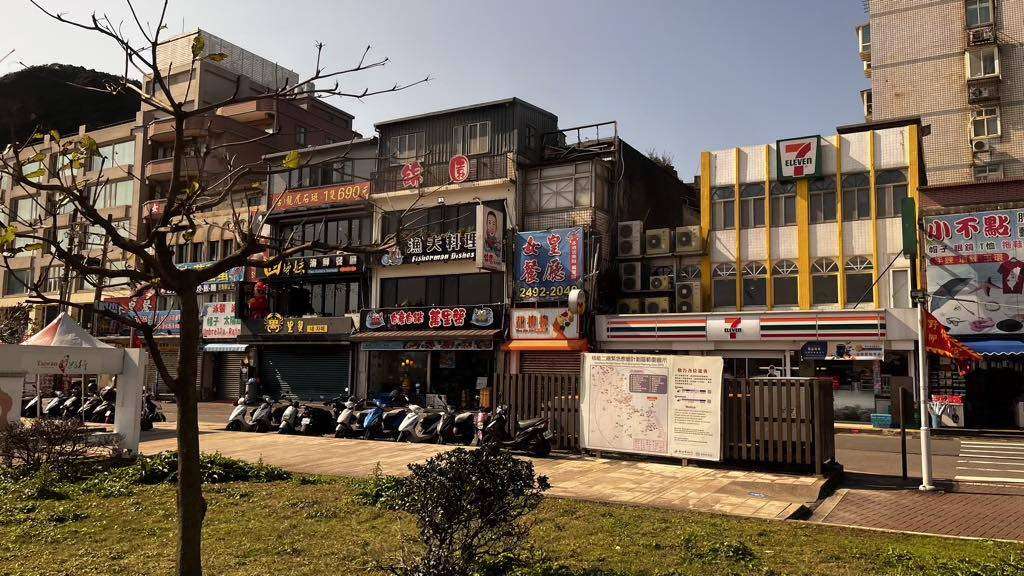
By late afternoon, we reached Tamsui Old Street, a lively waterfront stretch laid out by the Dutch in the 17th century and now lined with kiosks and snack shops.
With long queues at bubble tea and shaved ice stalls, we gave those a miss and instead tried the quirky but delightful taro soft-serve swirl. Soon, it was time to chase the sunset from Lover’s Bridge at Fisherman’s Wharf.
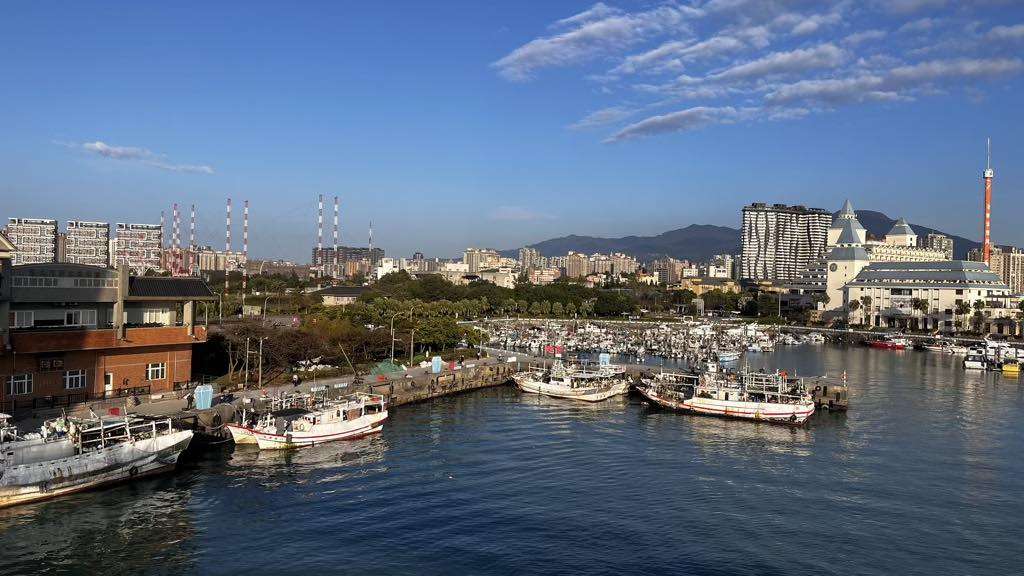
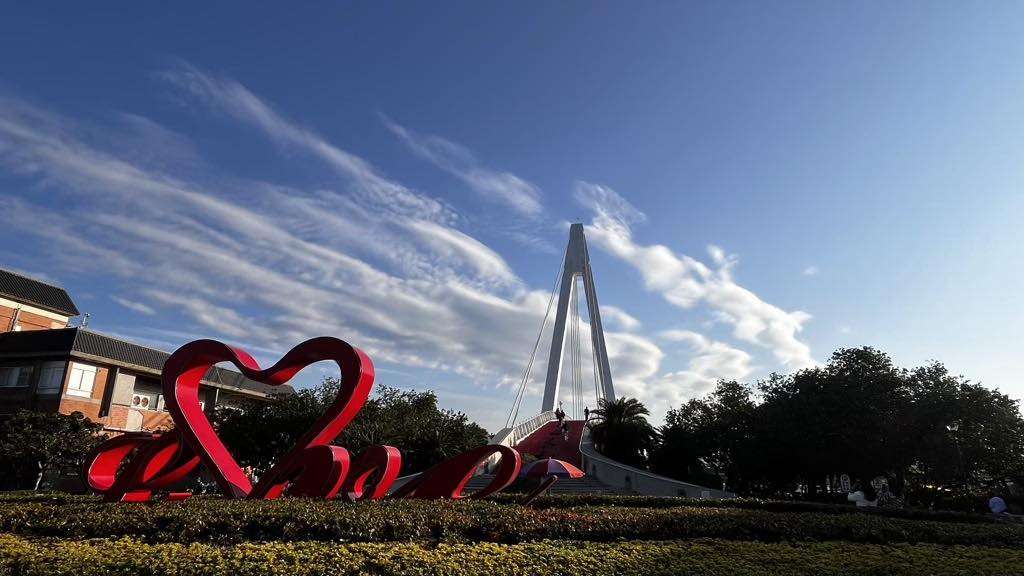
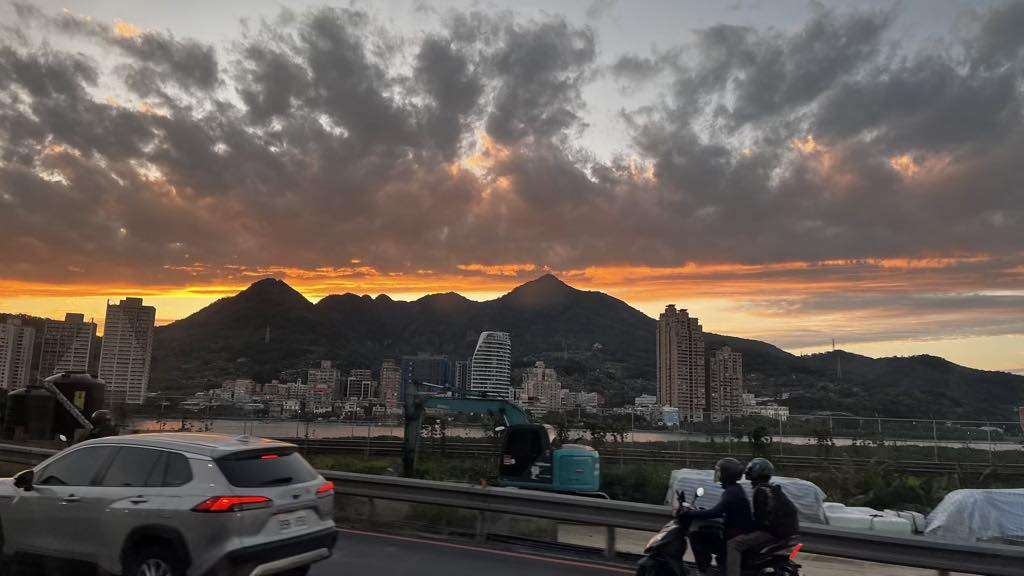
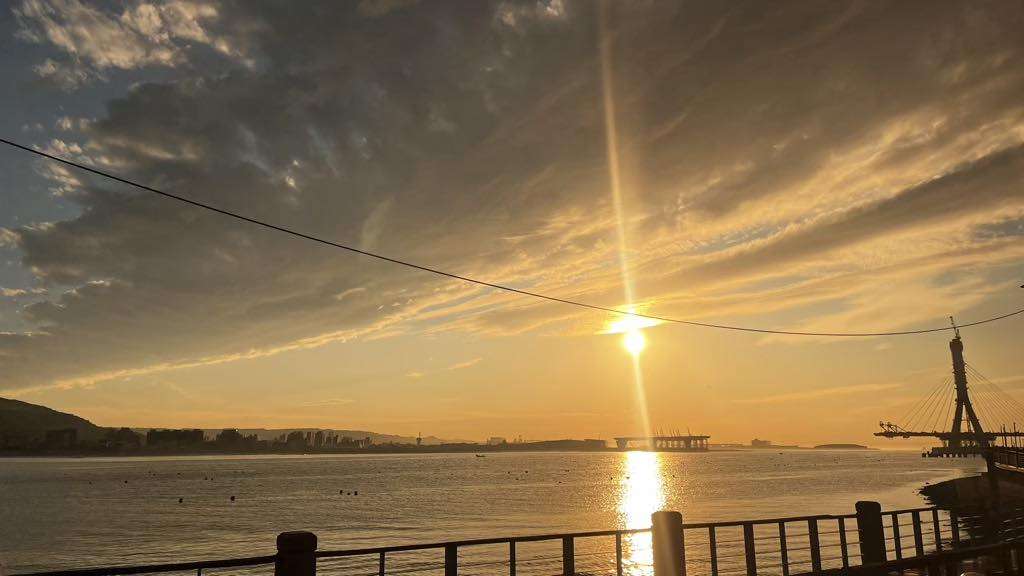
A favourite backdrop for Taiwanese soap operas and wedding photoshoots, Fisherman’s Wharf had a laid-back charm as the sky turned gold and yachts gently bobbed at the piers.
From the observation deck of Lover’s Bridge, the view reminded me of Port Louis in Mauritius.
But unlike Port Louis, Tamsui boasts a striking cross-harbor bridge that was inaugurated on Valentine’s Day in 2003. Its white cables perfectly frame those unforgettable tangerine-tinted sunsets over the Tamsui River on clear days, making it an ideal spot for scenic views.
Lanterns, lanes, and late-night kindness in Taipei
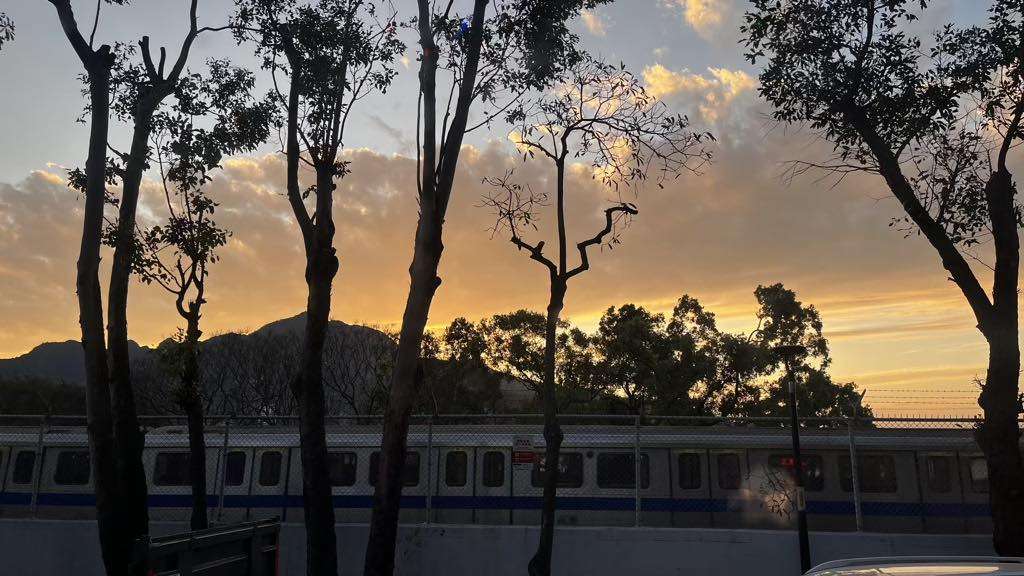
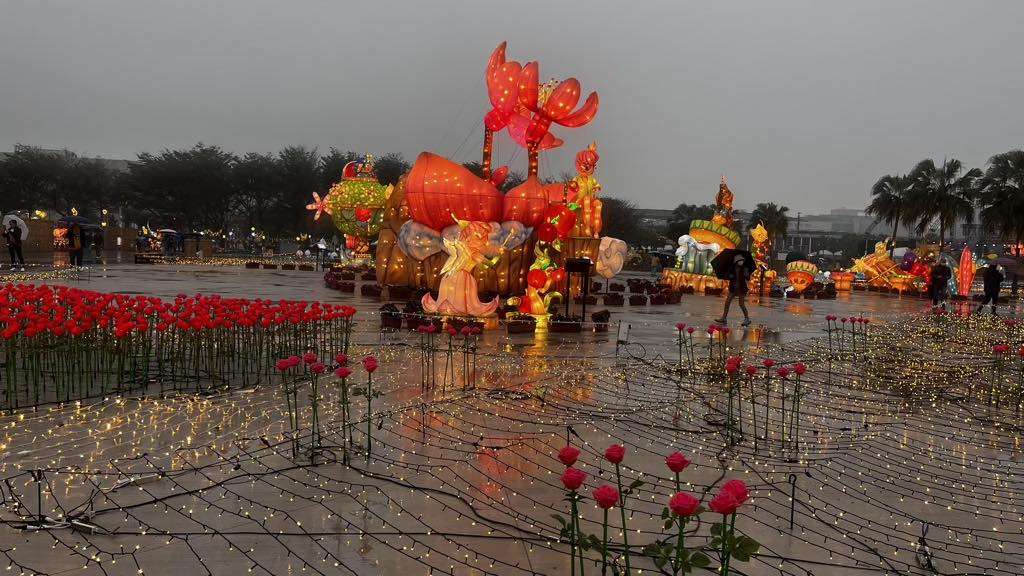
After a relaxed evening watching the sky put on a show, we passed the picturesque Tamsui railway station en route to Taipei. A sudden downpour did little to dampen our spirits as we headed to the inauguration of the Taiwan Lantern Festival at the HSR station grounds.
The Taiwan Lantern Festival: light, scale, and spectacle
Oval and polygon-shaped lanterns were how I imagined the festival would unfold — gently floating skyward across this sweet-potato-shaped island.
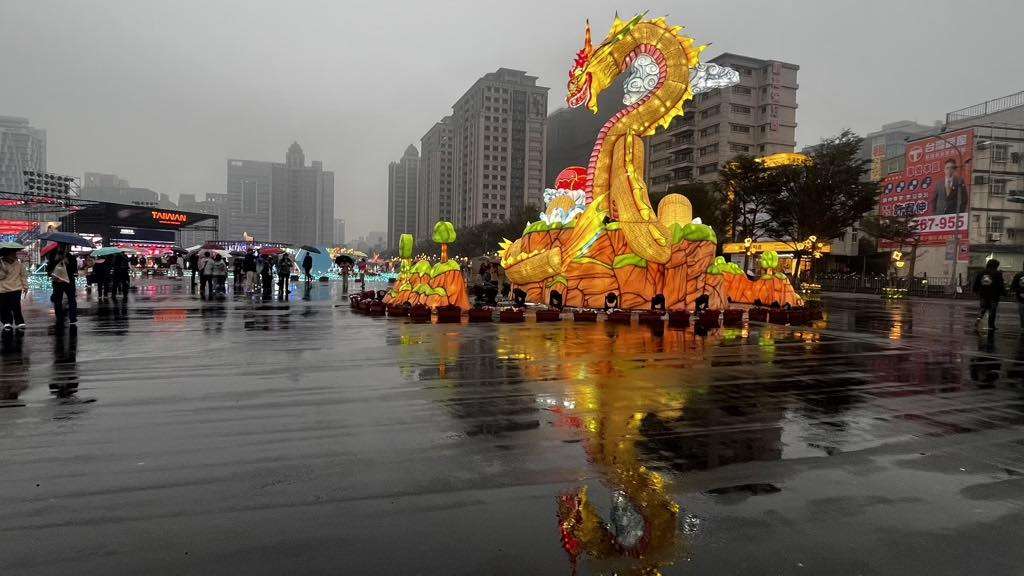
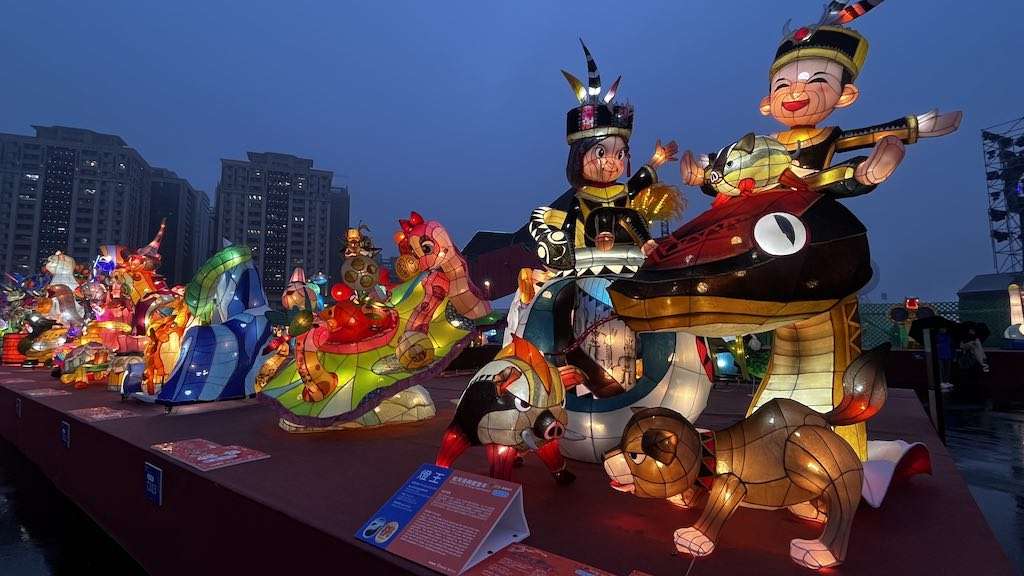
Instead, at the inauguration of Taiwan’s Lantern Festival, the grounds of the Taoyuan HSR station were dotted with lanterns of every conceivable size, shape, and character.
Was this truly the famed lantern festival? I found myself wondering.
As I walked further, the logic revealed itself. The quirky designs, the sheer effort behind conceiving and crafting each lantern, and the commitment to keeping a traditional folk practice alive within an urban setting began to shine through.
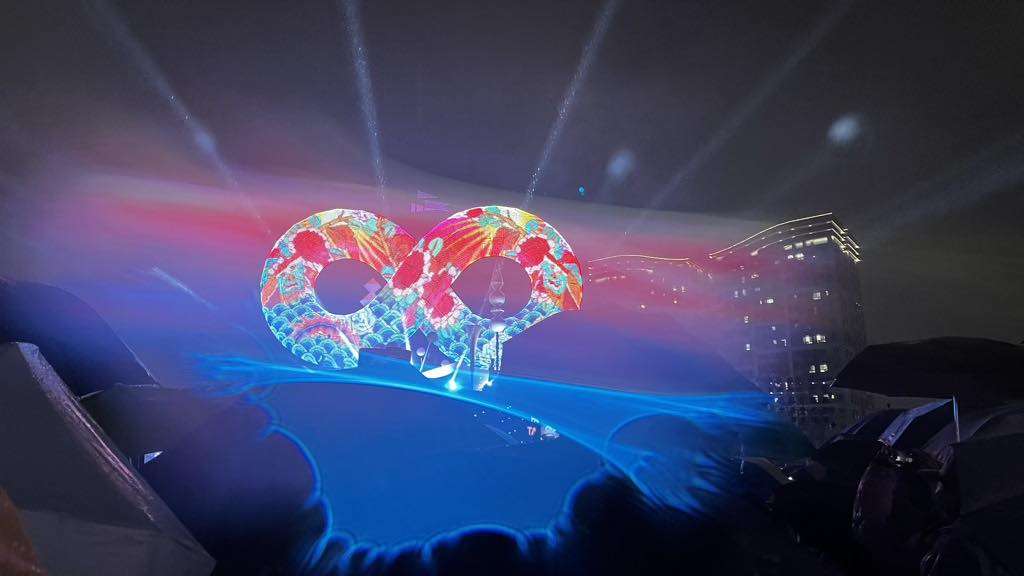
The centerpiece—Infinite Paradise, an 18-meter-tall infinity symbol was unveiled to much fanfare.
The atmosphere instantly reminded me of the grand Ganesh Chaturthi celebrations of Hyderabad, and the exuberant Durga Puja pandals of Kolkata — the same collective enthusiasm, with communities and organisers pouring their imagination and energy into bringing themed creations to life.
Much like in India, Taiwan blends tradition with contemporary expression effortlessly : Pop culture references and anime characters sit comfortably alongside folkloric motifs, all illuminated with technological finesse.
Hundreds of lanterns lit up the grounds that evening, while the classic practice of releasing sky lanterns — the oval and polygon-shaped kind I had first imagined — has largely shifted to rural pockets such as Pingxi.
Why that is, I learned, is a story waiting for another journey.
Wufenpu and the pleasure of wandering Taipei’s lanes
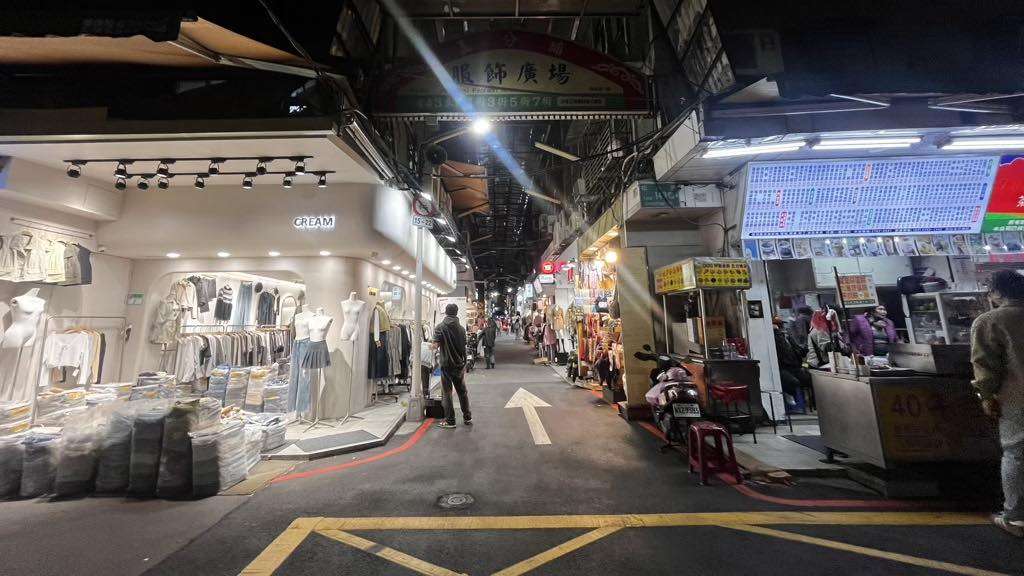
Later that evening, we indulged in retail therapy at the massive Wufenpu shopping district.
Here, fashion appeared in overwhelming abundance — clothes stacked in crinkly poly bags the way vegetables are piled at a street market. Racks overflowed, trinkets competed for attention, and trends moved fast, all at throwaway prices. The only catch was fit. For, much of it seemed designed for younger bodies and narrower frames — easy, quick fashion that rewards those who can slip into it without trying too hard.
So, I wandered, amused and slightly sidelined, aware that this particular retail rhythm was not quite built for bodies like mine.
However, the trinkets, thankfully, were far more democratic. Brooches, necklaces, hair clips — small, glittering joys that fit everyone. I splurged without guilt, discovering that while clothes may exclude, accessories almost never do.
Late-night meals and everyday kindness in Songshan
Arms full of shopping bags, we then persuaded a nearly shuttered restaurant in Songshan to reopen for dinner. Not only did they oblige, they served us steaming-hot food with a smile — the very hallmark of Taiwanese hospitality! The silken tofu was, hands down, the best I have ever had. That night, we returned to our hotel tired, yet brimming with anticipation for the next leg of our journey.
Taipei 101 Observatory: a bird’s-eye view of the city
After being cared for by the city, we wanted to look at it whole.
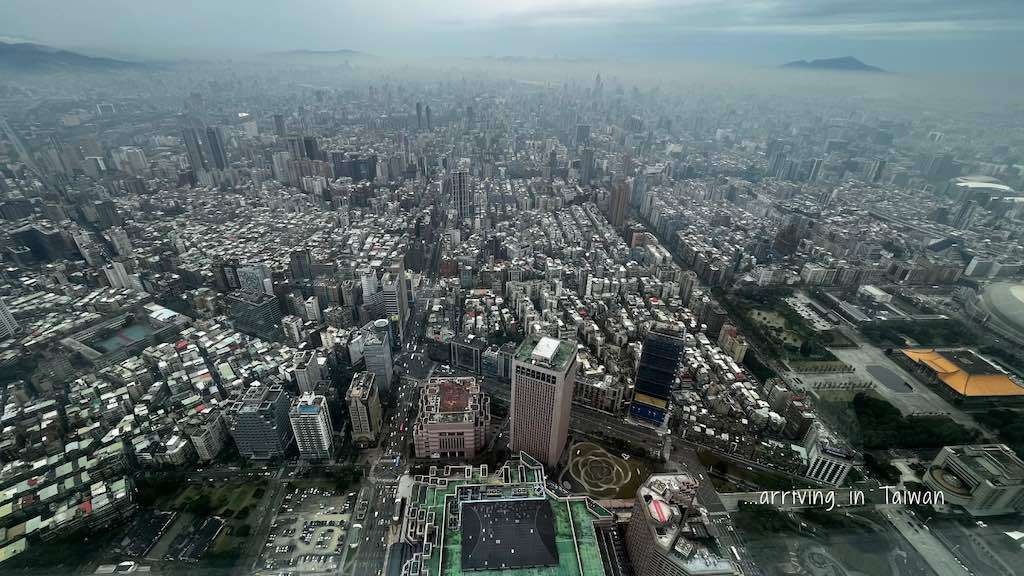
So, the following morning, we made our way to Taipei 101 in the Xinyi district for a bird’s-eye view of the city. Once the tallest building in the world, its sleek, pagoda-inspired form towered above as we pulled in—instantly making me feel tiny. Then came the real thrill: an eight-second ride in the ultra-fast elevator to the observation deck on the 88th floor, where the city stretched out beneath us in every direction like a living map.
Bubble tea as an everyday ritual in Taipei
High above the city, on this observation deck of Taipei 101, it was not the view alone that held my attention.
Somewhere between the sweep of the skyline and the vertigo of height, I found myself grappling with a cup of bubble tea and a straw wider than anything I had ever encountered before.
The tapioca pearls seemed to insist on being chewed rather than sipped. It was my first encounter with Taiwan’s most recognisable drink, and an oddly fitting one: familiar enough to feel inviting, yet entirely its own. And, it felt like the city’s tradition nudged forward, brewed in a cup and passed into my hands that made me realise that bubble tea was not something to be examined closely; it was something to be lived with.
I explore Taiwan’s bubble tea culture in greater detail in a reported piece for Deccan Herald.
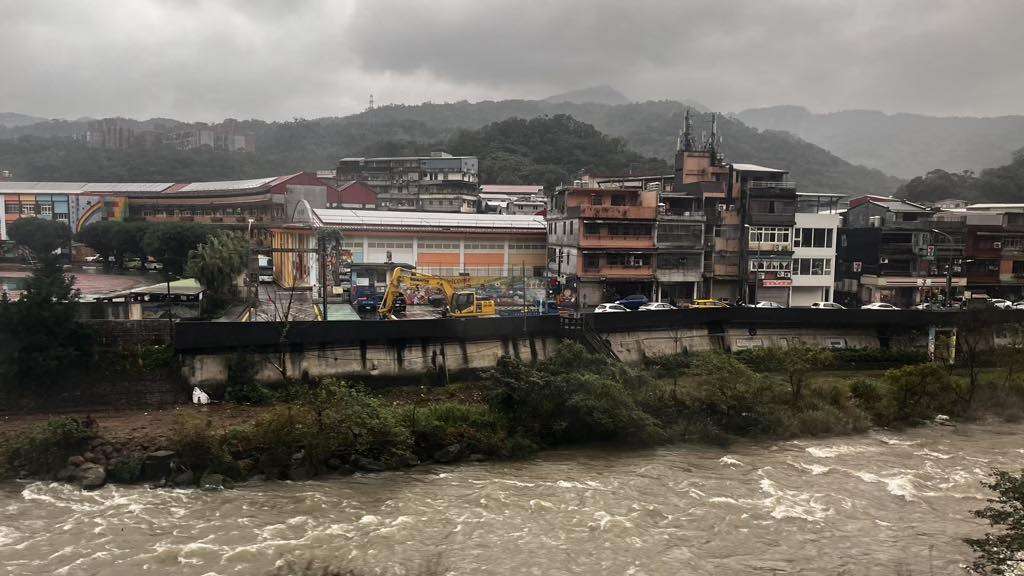
From mountains to the Community Hotpot
After soaking in the view, and sipping the bubble tea through an extra-wide straw, it was time to descend, slip into the tunnelled highway, and head for the highlands.
Into the hills: Jiufen’s layered past
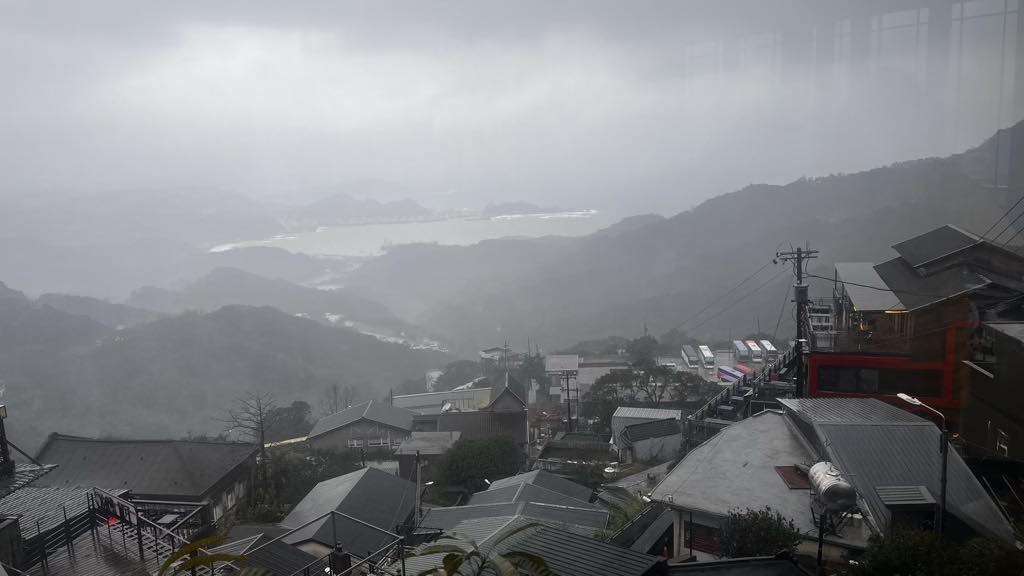
“Japanese miners and their families once lived in these houses,” our guide Francis said with a wry smile, gesturing toward a cluster of homes in Jiufen, perched on the slopes of Mount Keelung and overlooking the Pacific Ocean and the striking Yin Yang Sea.
Jiufen felt like stepping into another era, unlike any other Taiwanese town we had visited.
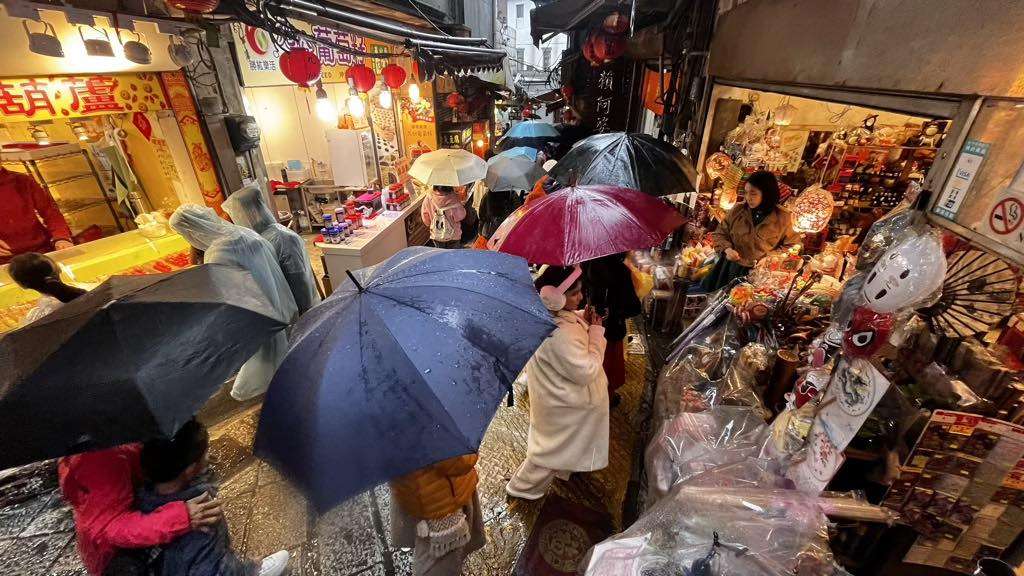
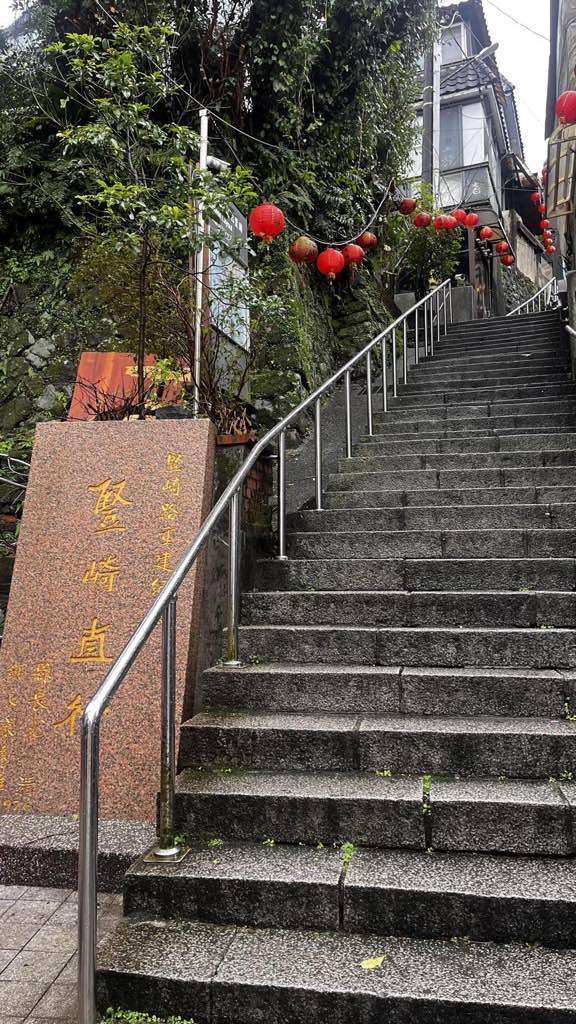
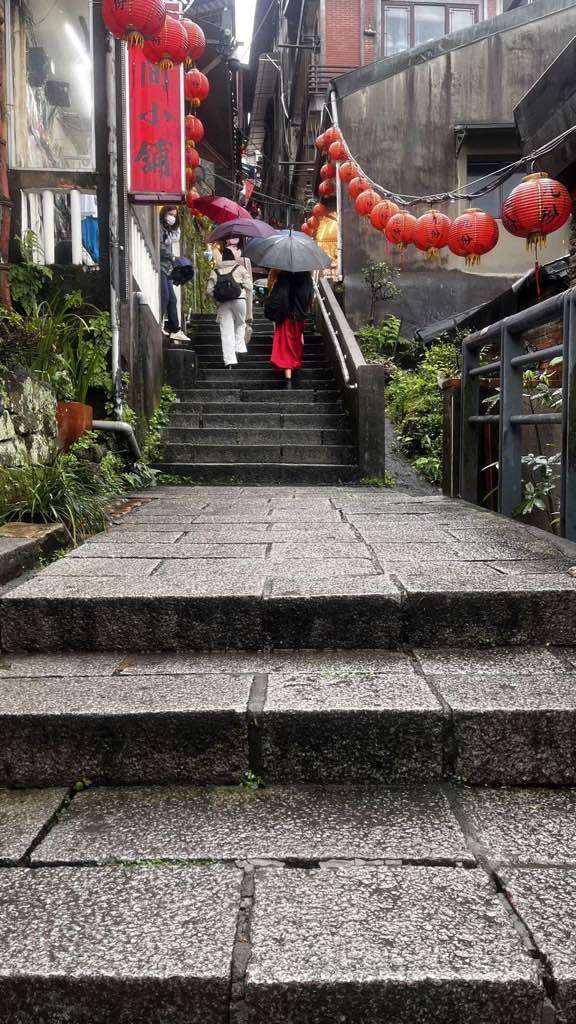
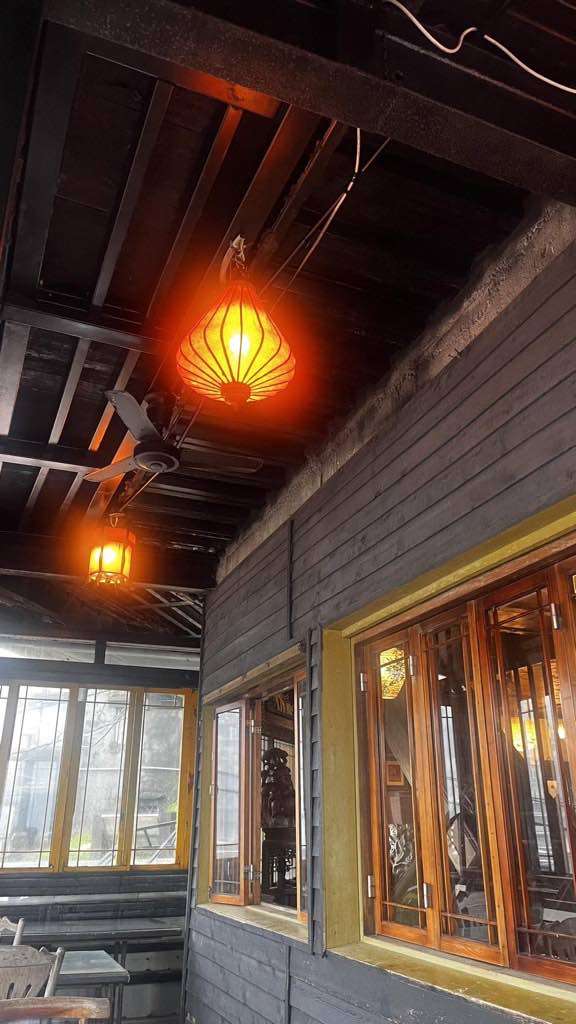
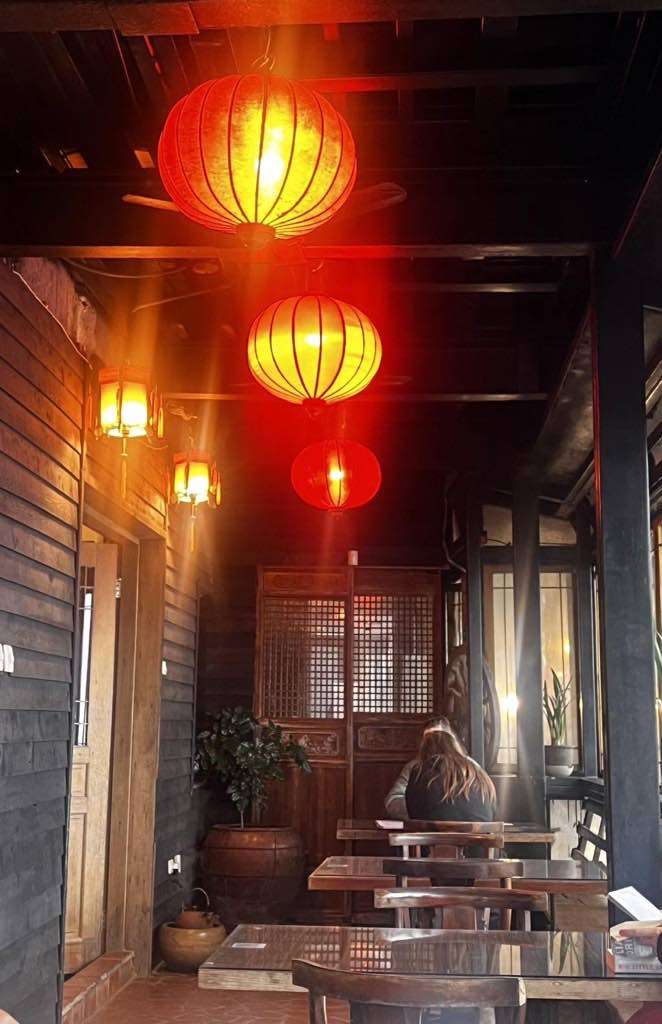
Old Japanese houses had been repurposed as cosy cafés and curio shops, lanterns lined the steep stairways, and the entire town carried an unmistakable old-world charm. The steady stream of visitors, especially from Japan and South Korea — only added to its atmosphere.
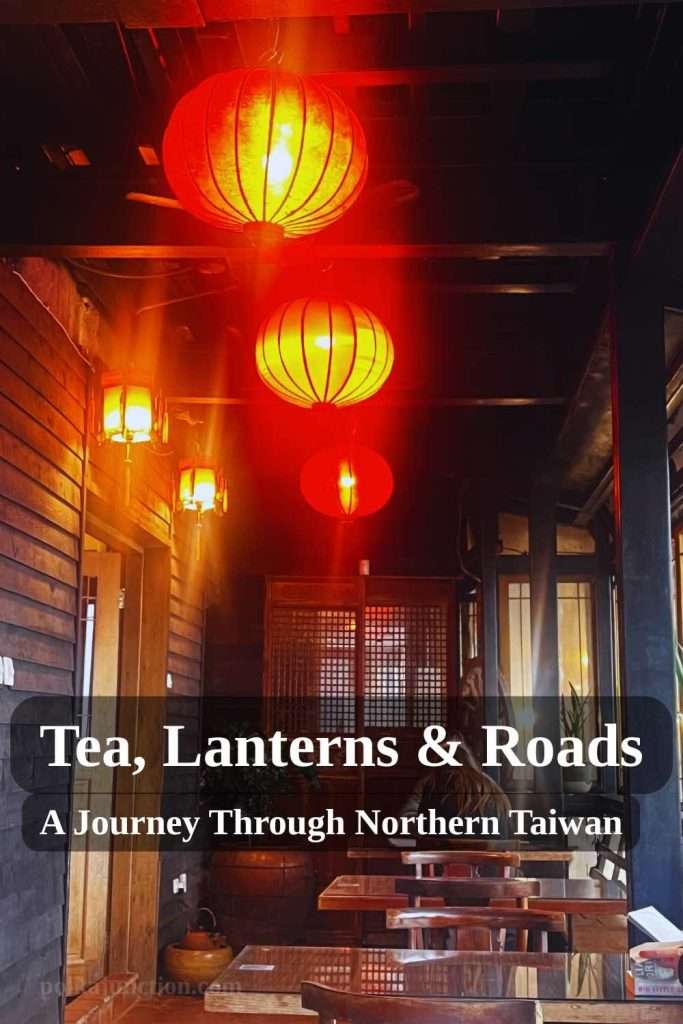
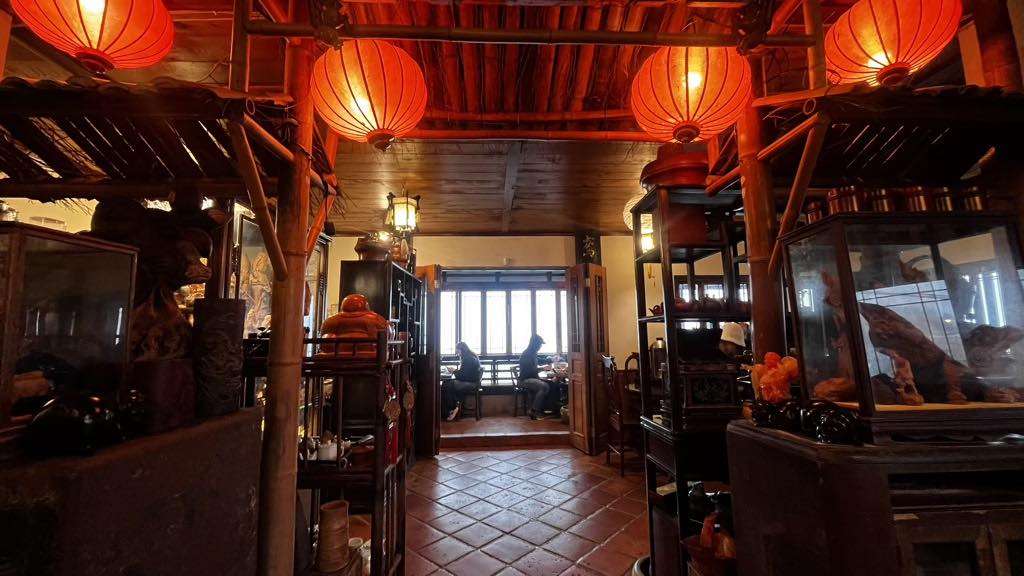
We slipped into a small tea house along Jiufen’s narrow lanes, drawn more by instinct than intention. Oolong arrived warm and unhurried, poured and refilled without ceremony or explanation. The act of sitting still while watching mist gather over the hills, letting conversation slow — felt as much a part of the experience as the tea itself.
Soaking it in: hot springs in Jiaoxi
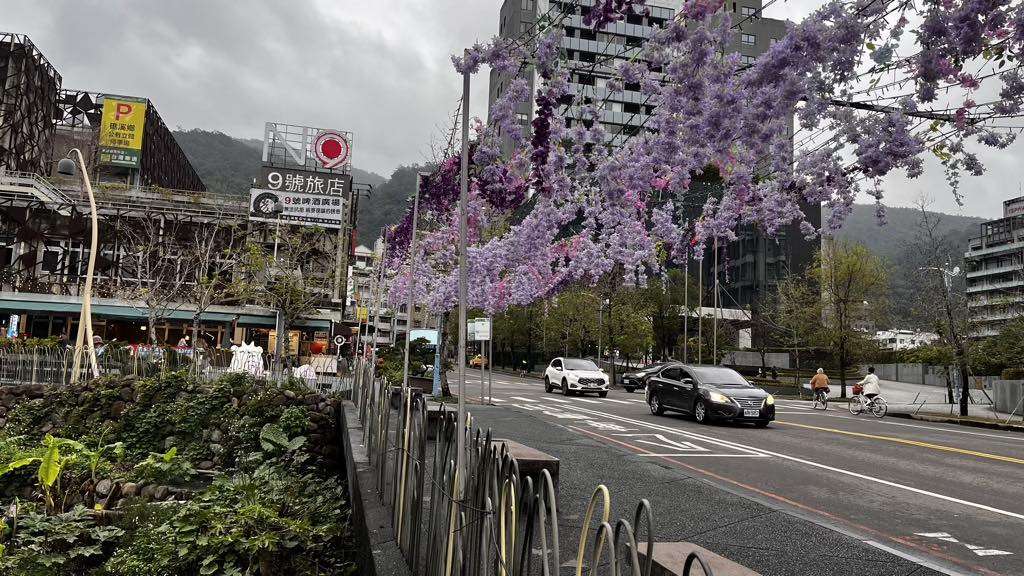
From there, we drove on to Jiaoxi, a small township in the Yilan countryside known for its geothermal springs. After climbing Jiufen’s stairways, soaking our tired feet in the public foot baths felt restorative.
While private hot springs are available at nearby hotels, the communal ones were clean, inviting, and full of local character. We skipped the fish pedicure pools — those, we agreed, were best left to the brave.
We lingered in Jiaoxi, wandering through small shops selling trinkets and quirky mobile covers.
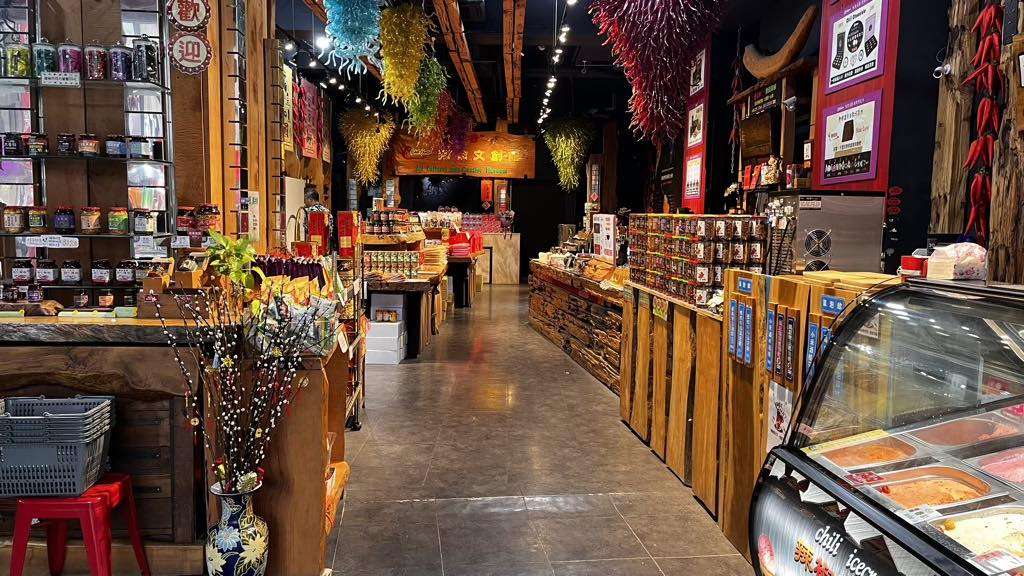
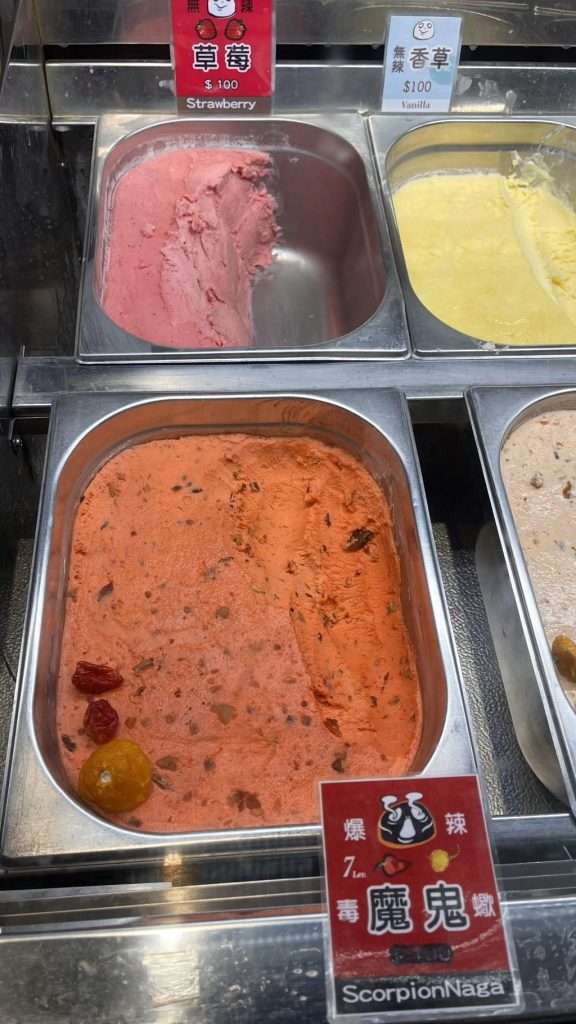
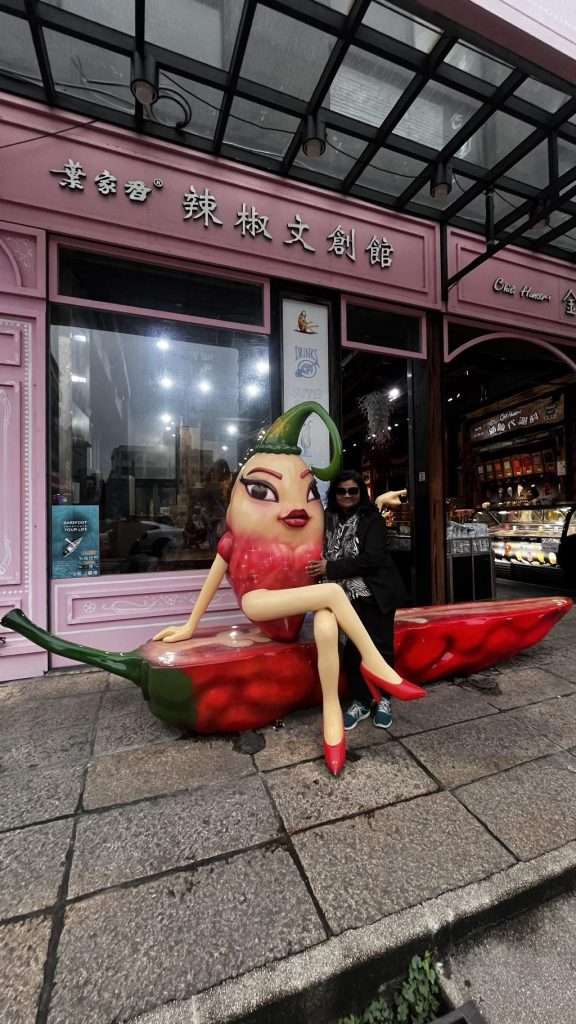
We also stopped at Chili Hunter – Wenchuang Shop, where chilli showed up in unexpected forms — even folded into ice creams, offered at varying levels of heat. It was playful, slightly mischievous, and oddly addictive.
Craft, performance, and living tradition
In less than a day, we had moved from Taipei’s sleek towers to Jiufen’s misty slopes, from Jiaoxi’s calming hot springs to the unexpected thrill of chilli-laced ice cream. Each stop revealed a different face of Taiwan, yet the spirit remained the same — generous, surprising, and deeply rooted.
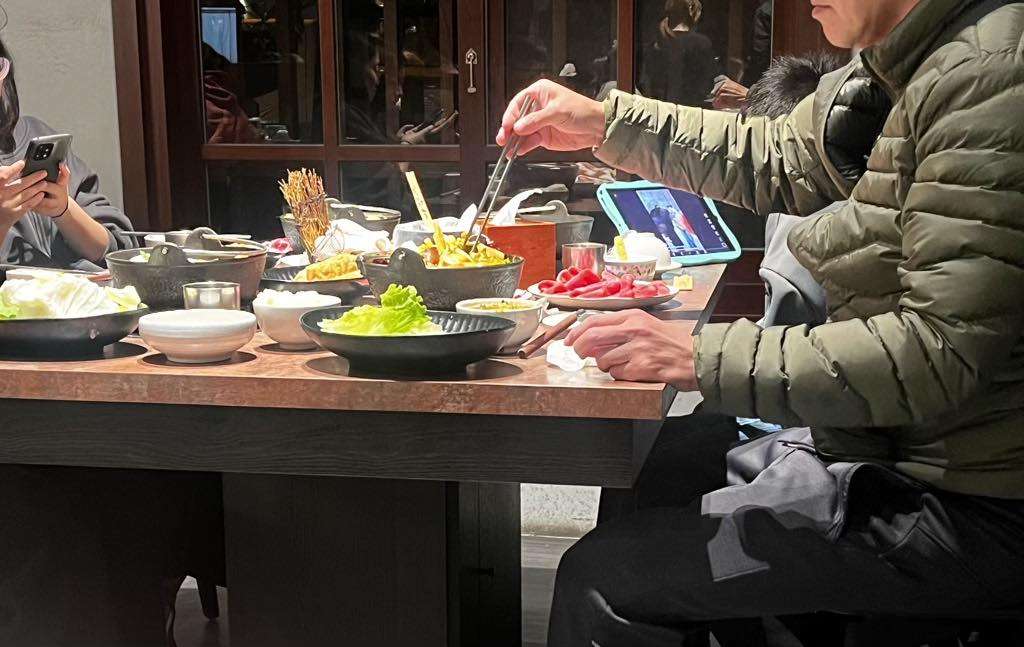
We checked into the Moment Hotel Yilan by Lakeshore for the night, and soon ventured out for dinner at a Community Hotpot.
The Hotpot revealed itself slowly that evening. The experience was less about what went into the pot and more about what gathered around it. Steam rose steadily as ingredients were added, fished out, and shared, the meal unfolding at its own pace. Sitting there in Yilan, road-weary and hungry, it felt instinctively comforting: warm, communal, and unhurried. It was a meal that would stay with me long after the journey, eventually finding its way into a deeper exploration of Taiwan’s hot pot culture.
I explore Taiwan’s hot pot traditions in greater detail in a reported piece for Deccan Herald.
With a visit to the National Center for Traditional Arts in Wujie planned for the following day, we returned to our hotel earlier than we had throughout the trip, choosing rest over roaming.
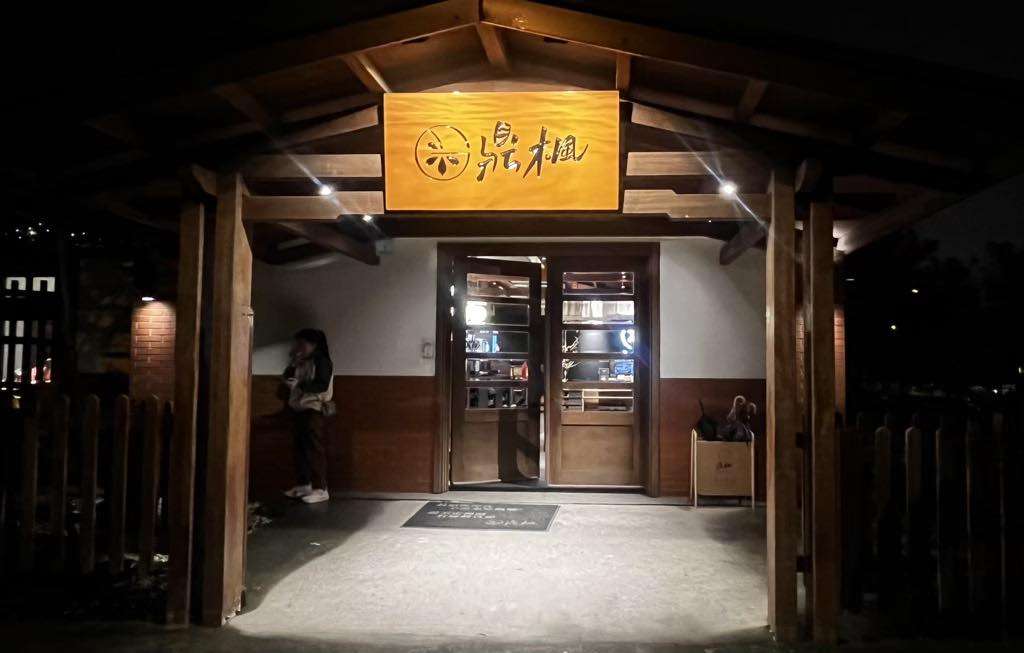
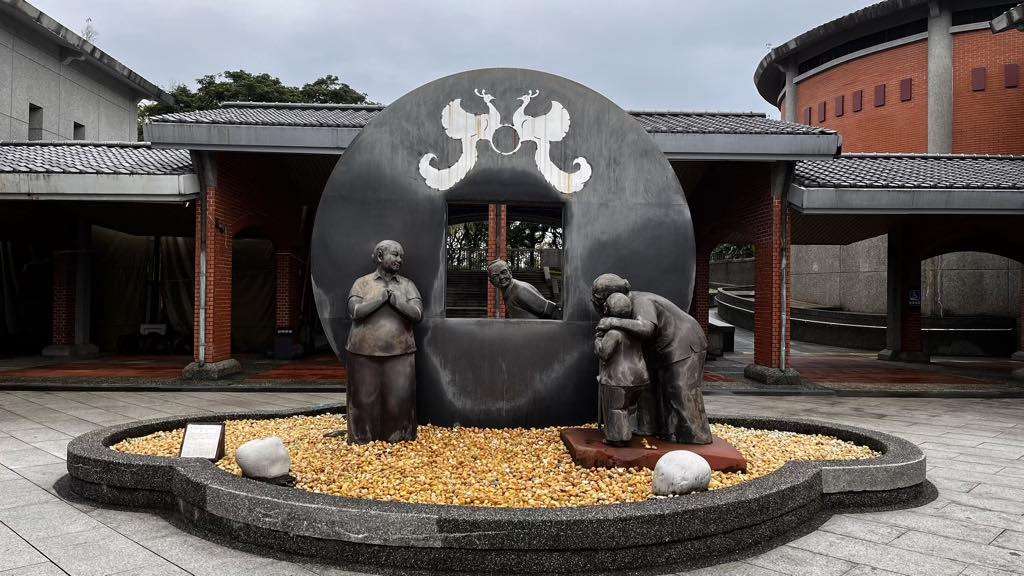
National Center for Traditional Arts, Wujie
At the National Center for Traditional Arts, we immersed ourselves in vibrant displays of Budaixi — Taiwanese puppetry, music, theatre, and traditional crafts.
The morning passed by in a blur of DIY tie-dye experiments, watching a resident show on the Money King, and shopping for handmade soaps, calligraphy brushes, and small artefacts, while our bags protested quietly.
A spirited detour: whisky in Yilan
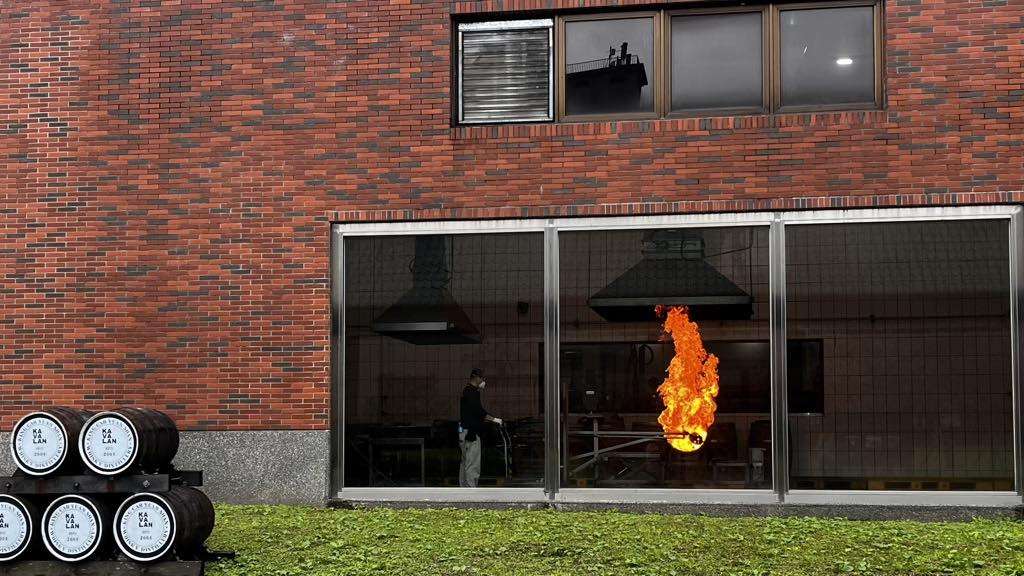
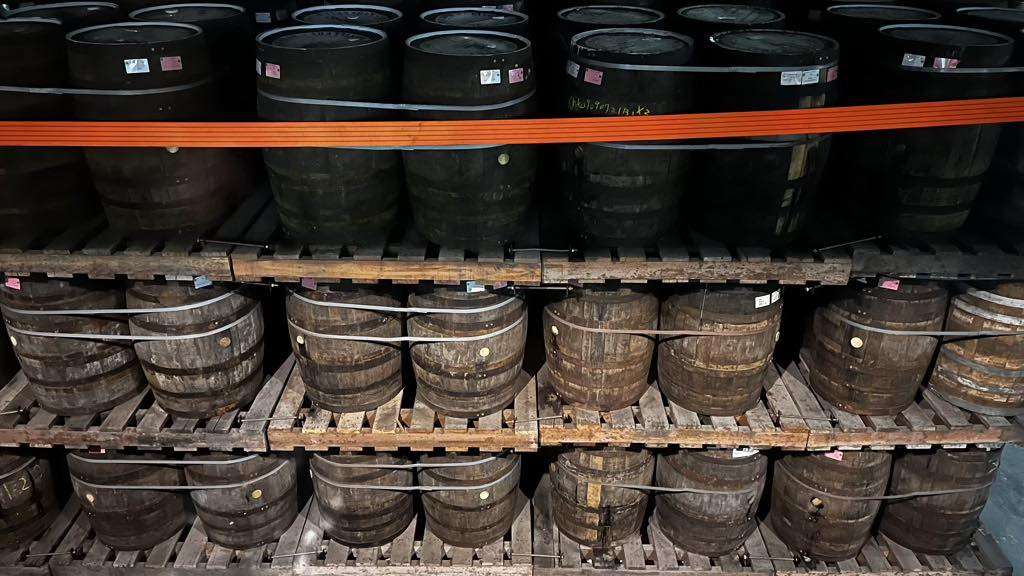
By afternoon, the mood shifted with a visit to the Kavalan Whisky Distillery, home to Taiwan’s award-winning single malts.
Coming full circle
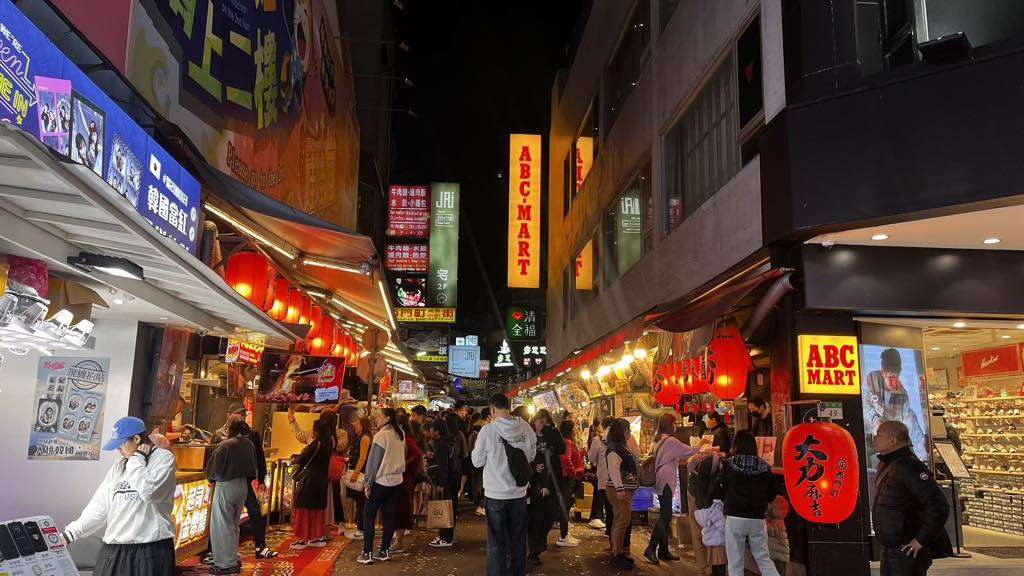
The final evening brought us back to New Taipei, where we wandered through Ximending, its neon-lit streets alive with movement of families, young crowds, tourists and travellers like us.
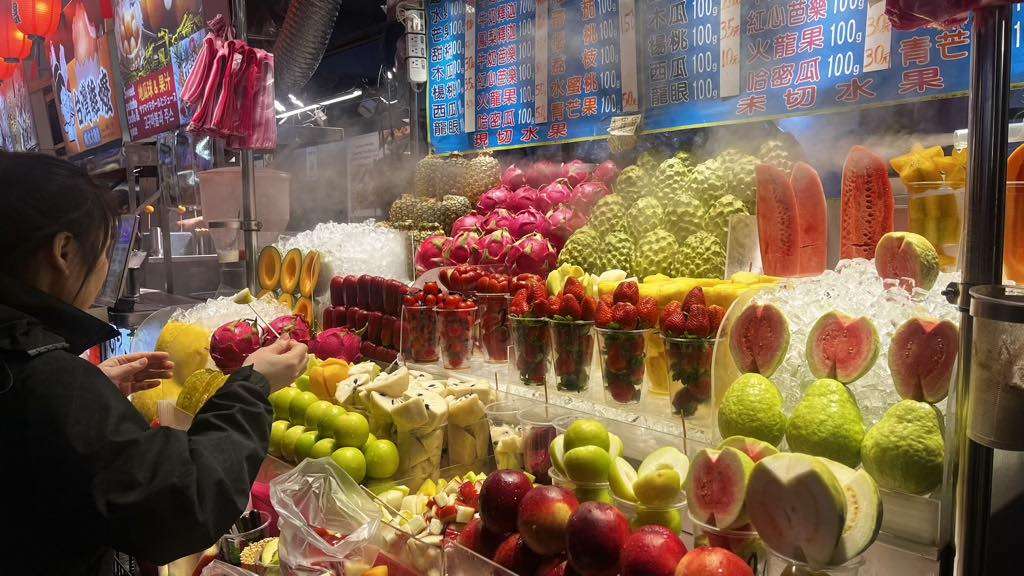
Alongside stocking up on face packs and cosmetics from the ever-reliable Poya store, we caught one last, indulgent glimpse of Taiwan’s layered food culture.
Between sips of bubble tea and bites of milk doughnuts, we wandered the lanes of Ximending, indulging in one final round of souvenir shopping that brought the journey full circle.
Back to New Taipei: neon, lanes, and appetite
Taiwan, I realized, does not shout its identity; it simmers. Like its beloved hot pots, it rewards those who slow down long enough to savour it. And for a first-time visit, the island feels surprisingly easy to navigate.
From Michelin-starred restaurants to street-side vendors, from deep-fried tofu to flaky pork buns, from Taiwanese boba to Indian curries, Taiwan’s culinary palate is as global as it is local.
Indian food, in particular, has found a firm footing, especially among vegetarians and the growing vegan crowd that flocks to eateries like 3 Idiots Toast & Curry.
As we rolled our suitcases — and our full hearts — back to the airport, one thing was clear: Taiwan had fed our wanderlust, indulged our taste buds, and coloured our memories in unexpected ways.
Despite its central role in the global chip supply chain, the island continues to guard its cultural soul closely. We were never just chasing landscapes, but were travelling in search of flavours, stories, rituals, and contrasts.
An edited, shorter version of this journey was published earlier in Nikkei Asia.
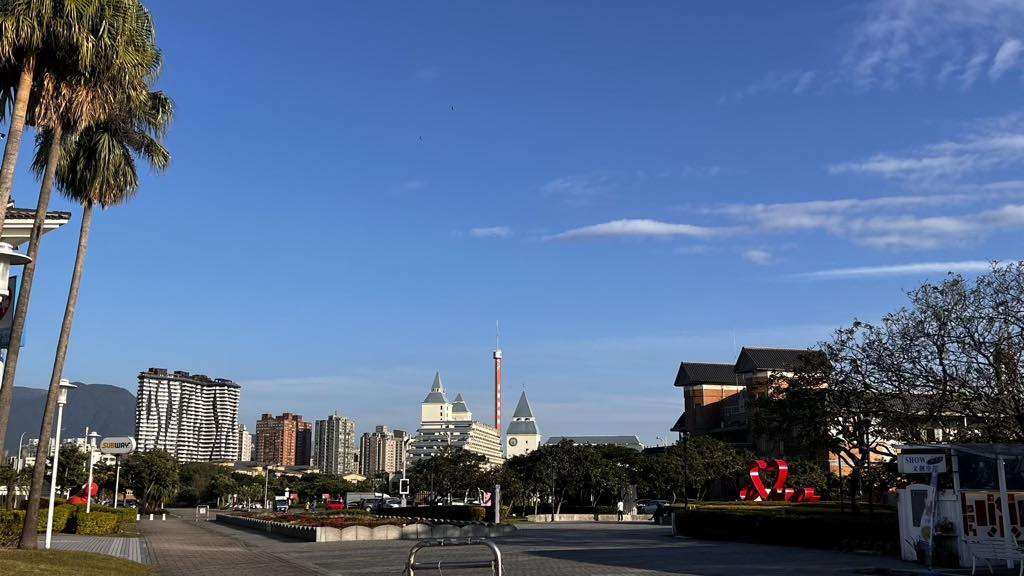
More photos from the road trip
Pin this article for a later read!

Beautiful illustration of Taiwan culture and awesome photos . Excellent write up
Thank you so much :))
Loved reading this 😍
Such a thoughtful and vivid take on Taiwan. 🇹🇼
Many thanks, Rishu :))